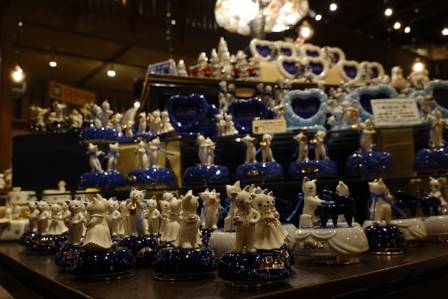
Entering the world of ceramic sculpture can be intimidating, but understanding the core components of the craft—the material, the decoration, and the heat—makes the process manageable. Whether you are working with a local studio or operating your own equipment, mastering these basics will allow you to transform raw earth into permanent art.
The Essentials of Firing
If you are outsourcing the firing of your artwork, your primary responsibilities are identifying the specific "cone" (temperature level) required for your clay and deciding between a bisque or glaze firing. Bisque firing is the initial stage that chemically transforms fragile clay into durable ceramic. The subsequent glaze firing is used to melt decorative coatings onto the piece, adding color, texture, and a protective sheen.
For those managing their own kiln for the first time, the process can be stressful. It is highly recommended to perform a "test fire" with an empty kiln to familiarize yourself with the equipment. Safety is paramount; kilns reach extreme temperatures and must never be left unattended. Essential safety gear includes IR-protective goggles for inspecting the interior through peep holes and a pyrometer to monitor heat levels if your kiln lacks a digital display.
A standard firing sequence for sculpture generally follows these stages:
-
Drying: Heating to approximately 95°C to remove residual moisture.
-
Water Smoking: Slowly raising the temperature to 150°C to drive off chemically combined steam.
-
Organic Burn-off: Gradually increasing to 400°C to clear out carbonaceous materials.
-
Sintering and Maturity: Ramping up to the target cone temperature at a steady rate.
-
Cooling: Shutting down the kiln and allowing it to cool slowly overnight to prevent thermal shock.
While pottery requires strict adherence to temperature "cones" for functional durability, sculpture is often more forgiving. Minor variations in temperature typically do not compromise the aesthetic value of a sculpted piece.
Understanding Clay Categories
Clay is categorized based on its firing temperature: earthenware (low-fire), stoneware (mid-high fire), and porcelain (high-fire). Beginners are encouraged to start with earthenware. This low-fire clay is accessible and works well with a wide variety of bright decorative finishes.
While white-firing clay is standard for achieving vibrant colors, red or brown clays are also excellent choices, though they may slightly mute certain glazes. If you desire bright reds or yellows on dark clay, you can apply a white "slip" (liquid clay) or underglaze as a base coat.
For specialized projects, some sculptors prefer "paper clay"—a mixture of traditional clay and paper fibers. This medium is prized for its structural strength and its ability to be worked on even when dry. You can create your own by mixing wet paper pulp (from shredded newspaper or toilet paper) with liquid clay. However, keep in mind that paper clay can make achieving fine, smooth details more challenging than traditional refined clay bodies.
Decorative Glazes and Finishes
The vast array of ceramic finishes can be overwhelming for a novice. To keep things simple, begin with underglazes. These are essentially "colored slips" that stay exactly where you paint them, making them ideal for detailed sculptural work.
Underglazes can be left as a matte finish or covered with a clear gloss glaze for added depth and shine. When purchasing glazes, ensure they are rated for "low-fire" use to match your earthenware clay; this prevents defects like shivering (where the glaze flakes off) or excessive crazing (cracking).
Many sculptors also utilize "single firing," a process where glaze is applied directly to bone-dry clay, completing the transformation in one trip to the kiln. While this can be less consistent for functional pottery, it is a time-saving and effective method for many sculptural items, where slight variations in color and texture often enhance the character of the work.