Traveling to a new country often comes with a set of unspoken guidelines: honor the local traditions, explore as many landmarks as possible, and—perhaps most importantly—indulge in the local cuisine until you are fully satisfied. In Japan, one of the most essential culinary experiences is discovering the world of traditional sweets, known as wagashi. Among these, the dorayaki stands out as a masterpiece of texture and flavor, offering a cloud-like softness that melts upon the first bite.
Defining the Dorayaki
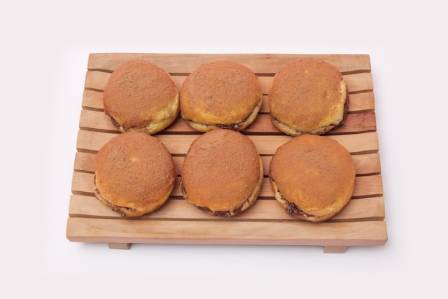
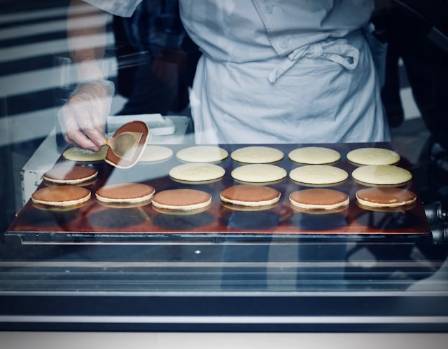
For those unfamiliar with this treat, dorayaki is a classic Japanese confection composed of two small, pancake-like patties made from a fluffy sponge similar to Castella cake. These golden-brown rounds are typically held together by a center of anko, a sweet paste made from red azuki beans. The batter often incorporates honey and occasionally a touch of mirin, resulting in a gentle sweetness and a tender crumb.
While the traditional red bean filling remains the most popular version, modern artisans have expanded the horizons of this dessert. Today, travelers can find creative variations featuring chocolate, citrus creams, or even a whole daifuku (a mochi-stuffed rice cake) nestled between the two layers. Unlike other Japanese sweets that might be crispy or heavily fried, the dorayaki is celebrated for its pillowy, understated elegance.
Historical Origins and Legends
The history of this sweet is as layered as the pastry itself. During the Edo period, dorayaki was actually a single-layered treat. The sandwich-style version familiar to modern audiences was developed in 1914 by a shop called Usagiya in the Ueno district of Tokyo. Remarkably, this founding establishment continues to serve customers to this day.
The name "dorayaki" carries its own mythology. In Japanese, dora translates to "gong," and yaki means "cooked with heat." One legend suggests that the legendary warrior monk Benkei once forgot his gong at a farmer's house after seeking refuge there. The farmer subsequently used the metal instrument as a makeshift griddle to fry thin cakes. Another story claims Benkei himself was nursed back to health by an elderly couple who cooked him a small, round cake on a gong to restore his strength. Regardless of the myth, the shape and name are inextricably linked to the circular musical instrument.
Regional Variations and Cultural Symbolism
In the Kansai region of Japan, particularly in Nara and Osaka, this sweet is often referred to as Mikasa. This name stems either from its resemblance to "three bamboo hats" or as a tribute to Mount Mikasa (also known as Mount Wakakusa). In Nara, these treats are famous for their scale, with some versions reaching a staggering 30 centimeters in diameter.
Beyond being a delicious snack, dorayaki is widely regarded as a symbol of good fortune. Its physical appearance—two pieces of bread seemingly "hugging" the bean paste—is often compared to a couple in an embrace or parents holding their children. For this reason, it is considered a lucky gift for a groom to bring to his future in-laws to ensure a happy marriage. Furthermore, the red color of the azuki beans is traditionally believed to ward off misfortune and evil spirits, cementing its place in various Japanese celebrations.
Premier Locations for Authentic Dorayaki
If you are looking to experience the highest quality dorayaki, several specialized shops across Japan are considered essential visits for any enthusiast.
In Tokyo, Usagiya remains a top destination, often requiring a wait in line due to its historical status and the consistent quality of its cakes. For those seeking variety, Kashi Kobo Fukudora offers over a dozen different flavors, ranging from traditional bean paste to experimental fillings. Kitera provides a unique experience by selling "unstuffed" shells, allowing customers to customize their own fillings, while Jiman Kusamochi is famous for its rich chestnut paste variety.
In the Chiba area, Nagomi-Yoneya is a respected long-standing establishment known for its traditional and chestnut-filled offerings. Meanwhile, in Shizuoka, Beniya offers diverse options including matcha-infused cakes and seasonal varieties featuring pickled cherry leaves.
A Cultural Phenomenon
The popularity of dorayaki is further bolstered by its role in pop culture as the favorite food of the robotic cat, Doraemon. His famous obsession with the snack has made it recognizable to generations of fans worldwide. Whether you are a fan of traditional red bean or prefer modern creamy fillings, this soft and fluffy sandwich is a mandatory experience for anyone visiting Japan.