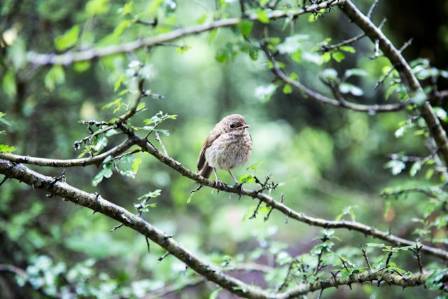
Birds are a remarkably diverse group of animals found on nearly every continent. With over 10,000 species recorded, they occupy a vast array of habitats—from dense forests and rolling grasslands to deserts and icy polar regions. Despite their differences in size, shape, and behavior, most birds can be categorized into five major groups based on anatomy, physiology, and lifestyle.
Perching Birds (Passerines)
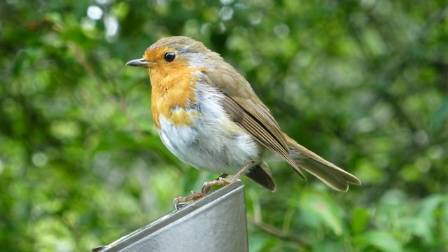
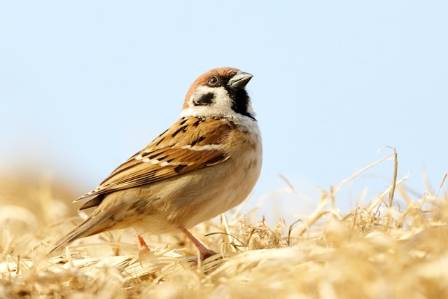
Perching birds, or passerines, make up more than half of all bird species, with over 5,000 known types. This group includes familiar birds like sparrows, crows, finches, and robins. Passerines are known for their specialized foot structure—three toes pointing forward and one backward—which allows them to grasp branches securely. Most are also songbirds, possessing a unique vocal organ called a syrinx that enables intricate songs and calls.
Key Features of Perching Birds:
Foot arrangement for gripping branches
Lightweight, agile bodies
Complex vocal abilities
Small, curved beaks for eating seeds and insects
Other examples include larks, swallows, starlings, mynas, orioles, and jays. Perching birds inhabit a variety of environments, from forests and meadows to cities and urban parks.
Example: American Robin
The American Robin is a widespread passerine native to North America. Recognizable by its reddish-orange breast and gray upperparts, it forages for earthworms on lawns and sings melodious songs that signal the arrival of spring. Robins are adaptable, thriving in both natural and human-altered landscapes.
Birds of Prey (Raptors)
Raptors, including eagles, hawks, falcons, vultures, ospreys, and kites, are skilled hunters with sharp talons, hooked beaks, and exceptional eyesight. More than 300 species of raptors exist worldwide, preying on animals ranging from fish and small mammals to other birds. Some species also scavenge carrion.
Characteristics of Raptors:
Powerful talons and hooked beaks for hunting
Acute binocular vision to spot prey from afar
Strong wings for agile flight
Compact, muscular bodies
Examples include owls, condors, and harriers. Raptors inhabit forests, wetlands, plains, and mountains worldwide, except Antarctica.
Example: Bald Eagle
The Bald Eagle, the national symbol of the United States, has a white head, brown body, and yellow beak. It primarily hunts fish but also preys on small mammals and birds. Bald Eagles build large nests near water and have rebounded in numbers due to conservation efforts.
Waterfowl (Ducks, Geese, Swans)
Waterfowl, such as ducks, geese, and swans, are highly adapted for aquatic life. With around 150 species, they are commonly found in wetlands worldwide. Their bodies are streamlined and buoyant, feet webbed for swimming, and feathers waterproof. Many have lamellae in their beaks for filter feeding. Most waterfowl undertake seasonal migrations.
Traits of Waterfowl:
Streamlined, buoyant bodies
Webbed feet for propulsion
Waterproof feathers
Long necks and filter-feeding beaks
Migratory behavior
Other species include screamers, magpie geese, and torrent ducks. They live in lakes, rivers, marshes, and coastal areas.
Example: Mallard
The Mallard is a common duck species with males featuring green heads and gray bodies, while females are mottled brown. Mallards feed by dabbling in water, nest in wetlands, and migrate seasonally. They adapt well to urban environments.
Gamebirds (Galliformes)
Gamebirds, including pheasants, grouse, quails, turkeys, and partridges, are medium-sized, ground-dwelling birds. With over 290 species, they have short, rounded wings for rapid takeoffs and strong legs for running. Many display elaborate mating rituals and feed on seeds, nuts, berries, and insects. Their plumage often provides camouflage.
Characteristics of Gamebirds:
Stocky, robust bodies
Short, rounded wings
Strong legs for terrestrial movement
Intricate courtship behaviors
Camouflaged feathers
Other species include ptarmigans, prairie chickens, and peafowl. They thrive in forests, grasslands, and scrublands.
Example: Wild Turkey
Native to North America, the Wild Turkey is large, with iridescent brown feathers. They forage on the ground, roost in trees, and males perform courtship displays. Population recovery programs have helped restore numbers after historic overhunting.
Seabirds (Procellariiformes and Others)
Seabirds, with over 300 species like albatrosses, gulls, terns, boobies, and frigatebirds, are adapted to life on open oceans. They have streamlined bodies, long wings, webbed feet, and waterproof feathers. Many nest in colonies, while others spend most of their lives at sea.
Seabird Adaptations:
Long, narrow wings for soaring
Ability to drink saltwater
Waterproof, weather-resistant feathers
Keen vision and sense of smell
Webbed feet for swimming and diving
Other examples include puffins, murrelets, auks, petrels, and phalaropes. They inhabit oceans worldwide, from tropics to poles.
Example: Northern Gannet
Northern Gannets dive from heights up to 130 feet to catch fish and squid. They nest on remote cliffs in large colonies and migrate long distances between breeding and wintering areas. Populations have recovered after declines from overhunting.
Conclusion
Birds can be categorized into five main groups:
Perching birds
Birds of prey
Waterfowl
Gamebirds
Seabirds
Each group contains numerous species adapted to specific environments. From backyard songbirds to ocean-going seabirds, the diversity of birds demonstrates incredible adaptability and evolutionary success. Understanding these broad groups helps us appreciate the richness of the avian world.