Tie-dye is an accessible and exciting craft that allows people of all ages to transform plain textiles into vibrant works of art. By following a few simple steps and mastering basic folding methods, you can produce professional-looking designs, such as the classic rainbow spiral, from the comfort of your home. To begin, ensure you have the necessary supplies, including fiber-reactive dyes, natural fabric items like cotton shirts or socks, rubber bands, squeeze bottles, buckets, and protective gear such as gloves and a mask.
The Six-Step Tie-Dye Process
Before starting, prioritize safety and cleanliness. Work in an outdoor area or a well-protected indoor space covered with plastic. Always wear old clothing or an apron, use gloves to prevent skin staining, and wear a dust mask when handling dry dye powders.
1. Preparation of Materials
Start by pre-washing your garments. This removes oils, dirt, or manufacturing chemicals that might prevent the dye from adhering properly, ensuring the final colors are bright rather than blotchy. Once washed, set up your station with all tools—buckets, rubber bands, squeeze bottles, and wire racks—within easy reach.
2. Mixing and Pre-soaking
Prepare your dye mixtures according to the package instructions. Depending on the type of dye used, you may need to soak your fabric in a soda ash solution to help the colors bond permanently to the fibers.
3. Folding and Securing
This is the stage where you determine the pattern of your design. You can manipulate the fabric by scrunching, pleating, or folding, then securing the shapes tightly with rubber bands or string. The areas covered by the ties will remain white or lighter, creating the characteristic tie-dye contrast.
4. Applying the Colors
Dye can be applied by dipping the fabric into buckets for a saturated look or by using squeeze bottles for more precision. You can control color intensity by adjusting the water-to-dye ratio; more water results in softer, pastel tones. When choosing where to place colors, remember the color wheel: adjacent primary colors will blend into secondary colors (like red and yellow making orange), while placing complementary colors (like purple and yellow) next to each other may result in muddy or brown tones.
5. The Setting Period
For the dye to chemically bond with the fabric, it must stay damp and warm. Wrap your project in plastic wrap or place it in a sealed bag to retain moisture. Let it sit for at least six to eight hours, though 24 hours is recommended for maximum vibrancy.
6. Rinsing and Final Wash
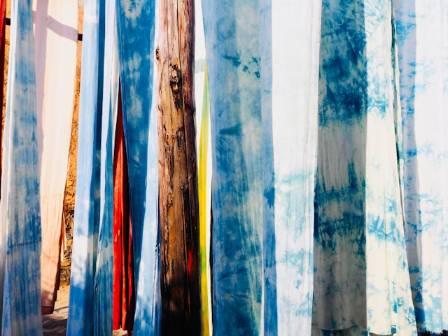
Rinse the garment under cold running water while the ties are still attached. Gradually increase the water temperature to lukewarm while removing the bands, continuing until the water runs clear. Finally, wash the item in a washing machine on a warm or hot cycle with detergent. For the first few launderings, wash tie-dyed items separately or with very similar colors to prevent dye transfer.
Popular Folding Patterns and Designs
By varying how you fold and tie your fabric, you can achieve a wide array of visual effects:
-
Spiral: Pinch the center of the garment and twist it into a flat disk resembling a cinnamon roll. Secure with crisscrossing rubber bands to create the iconic sunburst wheel.
-
Scrunch or Nebula: Randomly crumple the fabric into a tight mound and secure it. This produces a marbleized, organic texture.
-
Bullseye: Pull the fabric up from the center to create a tall cone, then place rubber bands at intervals down the length of the cone to create concentric circles.
-
Stripes: Fold the garment in accordion-style pleats either horizontally or vertically and secure with bands to create parallel lines.
-
Sunbursts: Pinch multiple small sections of the fabric and tie them off individually to create several small "pops" of color throughout the design.
-
Kaleidoscope: Fold the garment into quarters or eighths before tying to create a design with multiple lines of symmetry.
-
Ombre or Dip-Dye: Without using ties, simply submerge portions of the fabric into a dye bath, allowing the color to wick upward for a gradient effect.
Selecting Fabrics for Best Results
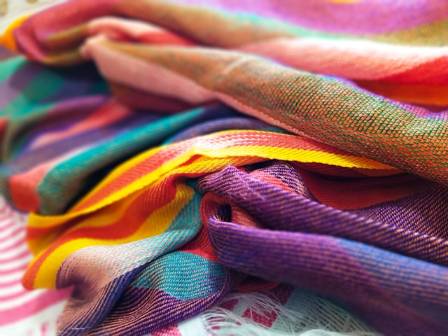
While t-shirts are the most common choice, tie-dye techniques work effectively on hoodies, sweatpants, socks, and even canvas sneakers. The most important factor is the material composition; look for items made of at least 80% natural fibers, such as cotton, linen, or hemp. Synthetic fabrics like polyester generally do not absorb fiber-reactive dyes well and will result in very faded or nonexistent patterns.
Would you like me to provide a list of color combinations that work best for specific patterns?