Defining Critical Habitats
Given their vast annual ranges, polar bears rely on habitats that vary significantly across space and time. The Polar Bear Specialist Group (PBSG) characterizes essential habitat as areas crucial for sustaining viable populations. Based on this definition, the PBSG has established five key habitat categories: foraging zones (sea ice above continental shelves and reliable terrestrial/coastal feeding locations), breeding territories (sea ice over continental shelves), denning sites (land-based, multi-year, and fast ice regions), migratory corridors (zones linking essential habitats), and seasonal refuges (both inland and offshore summer habitats).
Sea Ice: The Foundation of Existence
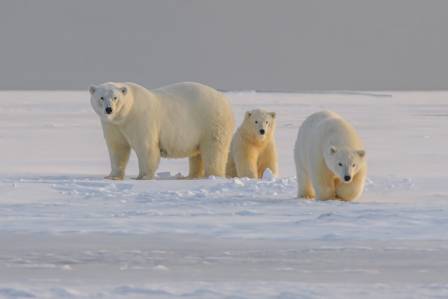
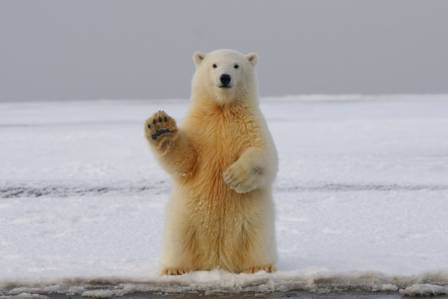
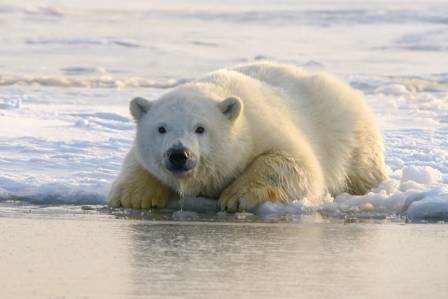
Polar bears predominantly inhabit the southern periphery of the Arctic Ocean's multi-year ice pack, frequently occupying coastal zones and inter-island channels. The composition and coverage of sea ice fundamentally determine habitat suitability. This frozen platform supports the bears' primary prey—ringed seals—which reside there throughout much of the year. Consequently, bear distribution patterns generally mirror the seasonal fluctuations of the ice cover. During mid-to-late summer in regions experiencing significant ice melt, bears become land-bound for two to five months until winter refreezing occurs, surviving primarily on accumulated fat reserves due to limited hunting opportunities.
Denning Ecology and Requirements
In late autumn, pregnant females construct maternity dens primarily in coastal terrestrial areas. Denning habitats demonstrate remarkable diversity, ranging from snow accumulations to frozen soil or peat layers in southern regions. Traditional denning sites in the Beaufort Sea have included multi-year ice formations near productive hunting grounds, though declining permanent ice has driven increased terrestrial denning. Den distribution shows extensive dispersal across broad territories. Exceptionally, in Svalbard and the eastern Russian Arctic, topographically complex islands generate substantial snowdrifts despite low precipitation, supporting high-density denning in confined areas.
Habitat Interconnections
Proximity between productive hunting grounds and denning locations proves critical for females emerging with cubs, making sea ice presence particularly important during den emergence. Similarly, in archipelagos like Svalbard, autumn sea ice connectivity remains essential for bears to access remote denning islands. During winter months, while pregnant females remain sequestered in dens, other population segments maintain activity on the pack ice. Additionally, polar bears of all demographics may temporarily utilize dens for protection during extreme weather or as thermal refuges during terrestrial summer periods.
Climate Change Impacts
Climate warming directly threatens polar bear distribution patterns by altering sea ice extent and disrupting the spatial arrangement of ice-breeding seals. These interconnected changes jeopardize the functional relationships between essential habitat components, potentially compromising the bears' ability to navigate between critical foraging, denning, and refuge areas throughout their annual cycle.