Discover the profound influence of color in architecture and how it shapes the world of furniture design. This article delves into the significance of color selection, its psychological impact, and practical insights for integrating colors into architectural spaces. Get inspired by the creative possibilities offered by colors in the realm of furniture design.
Introduction
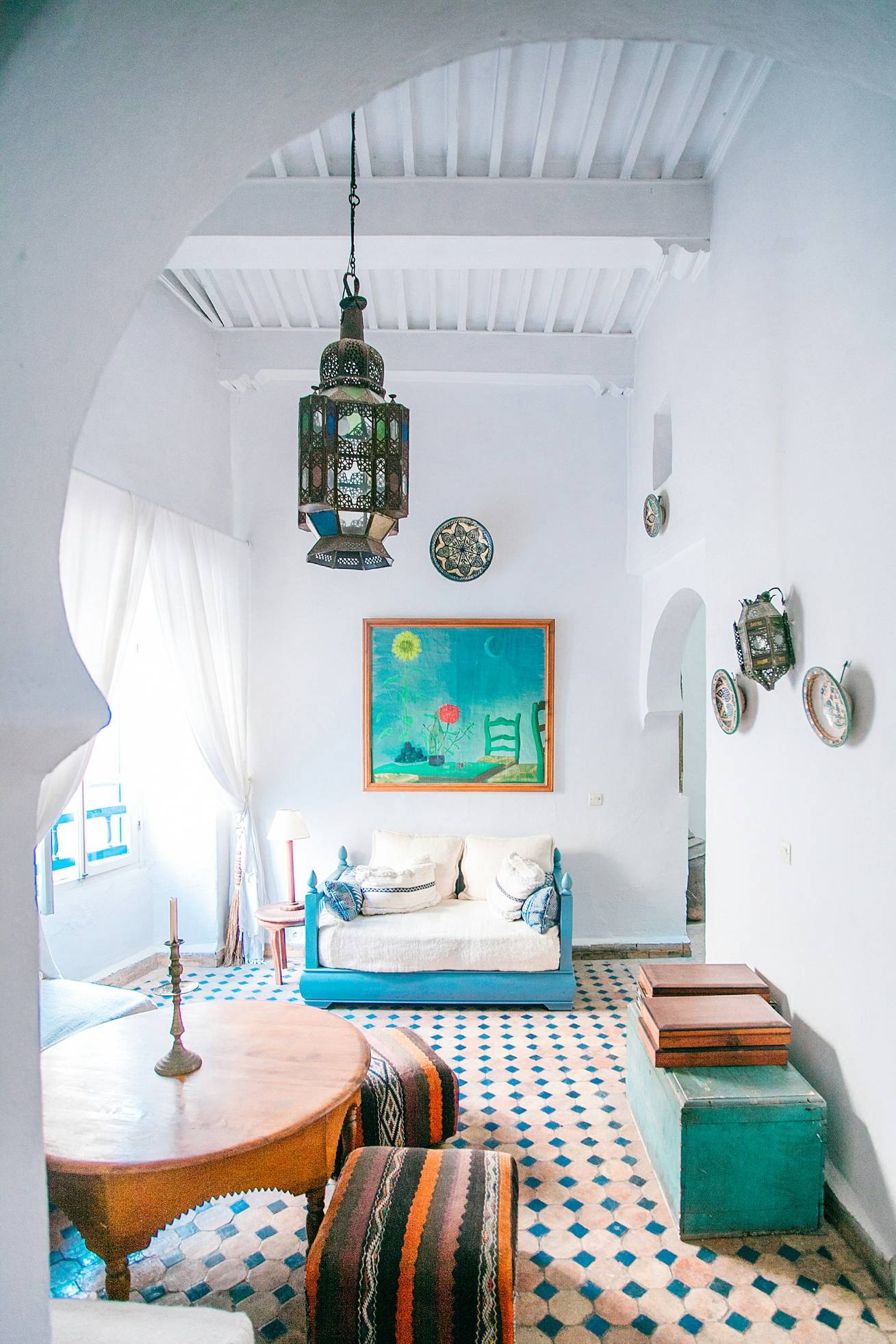
Color is a dynamic tool within the realms of architecture and interior design. It possesses the capability to evoke emotions, establish moods, and create lasting impressions within a space. From making bold statements to providing subtle accents, the utilization of color in architectural design can redefine a room and elevate its functionality. In this article, we embark on a captivating exploration of the realm of colors in furniture design. We will uncover the profound influence of colors on architectural design and unveil innovative methods to infuse them into our living spaces.
The Impact of Color in Architecture: A Close Look at Furniture
Color stands as a pivotal element in the holistic architectural experience, and furniture acts as a vital player in this narrative. Through the strategic choice of colors in furniture, architects and designers wield the power to shape the ambiance, accentuate architectural features, and craft a harmonious visual composition. Let us immerse ourselves in the multifaceted aspects of utilizing colors in furniture to elevate architectural spaces.
1. The Psychology of Color: Unveiling Emotions
Colors possess the extraordinary ability to invoke emotions and mold human behavior. When applied to furniture, they become architects of a room's emotional tenor and wield significant influence over its occupants. Below are some commonly used furniture colors and the emotions they stir:
Dynamic Red: A color of passion and energy, red furniture makes a bold statement and encourages lively conversations.
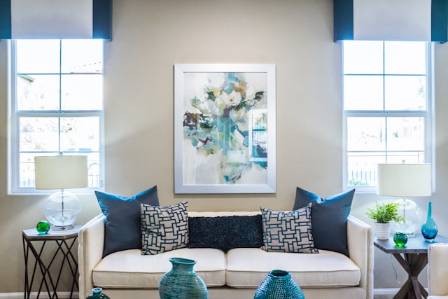
Serene Blue: Exuding tranquility and calm, blue furniture establishes a soothing atmosphere, ideally suited for spaces of relaxation.
Radiant Yellow: An embodiment of cheerfulness and optimism, yellow furniture infuses vibrancy and warmth into any setting.
Timeless Gray: Versatile and enduring, gray furniture provides a neutral canvas for other colors and design elements to shine.
2. Crafting Focal Points with Vibrant Furniture
In architectural settings, furniture can assume the role of a focal point, drawing the eye and injecting visual interest. By judiciously integrating vibrant furniture, architects can guide the viewer's focus and accentuate specific zones. Here are some strategies for creating focal points using colorful furniture:
Contrast in Colors: Position vibrant furniture against a neutral backdrop to create a vivid contrast and seize attention.
The Art of Color Blocking: Organize furniture pieces in clusters of complementary colors, forging a dynamic and striking visual impact.
Accentuate with Statement Pieces: Introduce a singular, attention-grabbing furniture piece in a vibrant color to act as the room's central point of interest.
3. Harmonizing Furniture Colors with the Architectural Palette
When selecting furniture colors, it is pivotal to harmonize them with the overarching architectural palette. The synchronization of colors between architectural components and furniture engenders a sense of unity and coherence. Here are some guidelines for achieving harmony in color selection:
Analogous Harmony: Elect furniture colors that harmonize with the dominant colors in the architectural palette for a unified appearance.
Play with Complements: Create visual intrigue by employing furniture colors that stand in contrast to the architectural palette's predominant shades.
Monochromatic Elegance: Adhere to a singular color family for both architectural elements and furniture, resulting in a seamless and sophisticated look.
4. Elevating Functionality Through Furniture Colors
Colors in furniture transcend mere aesthetics; they play a functional role within architectural spaces. By deploying colors strategically, designers can enhance the user experience and facilitate specific activities. Consider the following examples:
Office Environments: Choose furniture colors that foster concentration and productivity, such as shades of green or blue.
Tranquil Retreats: Opt for calming colors like gentle blues and neutrals to conjure a peaceful and serene ambiance.
Social Hubs: Infuse bold and vibrant colors to energize communal spaces and spark interaction among users.
5. A Symphony of Colors and Textures for Visual Allure
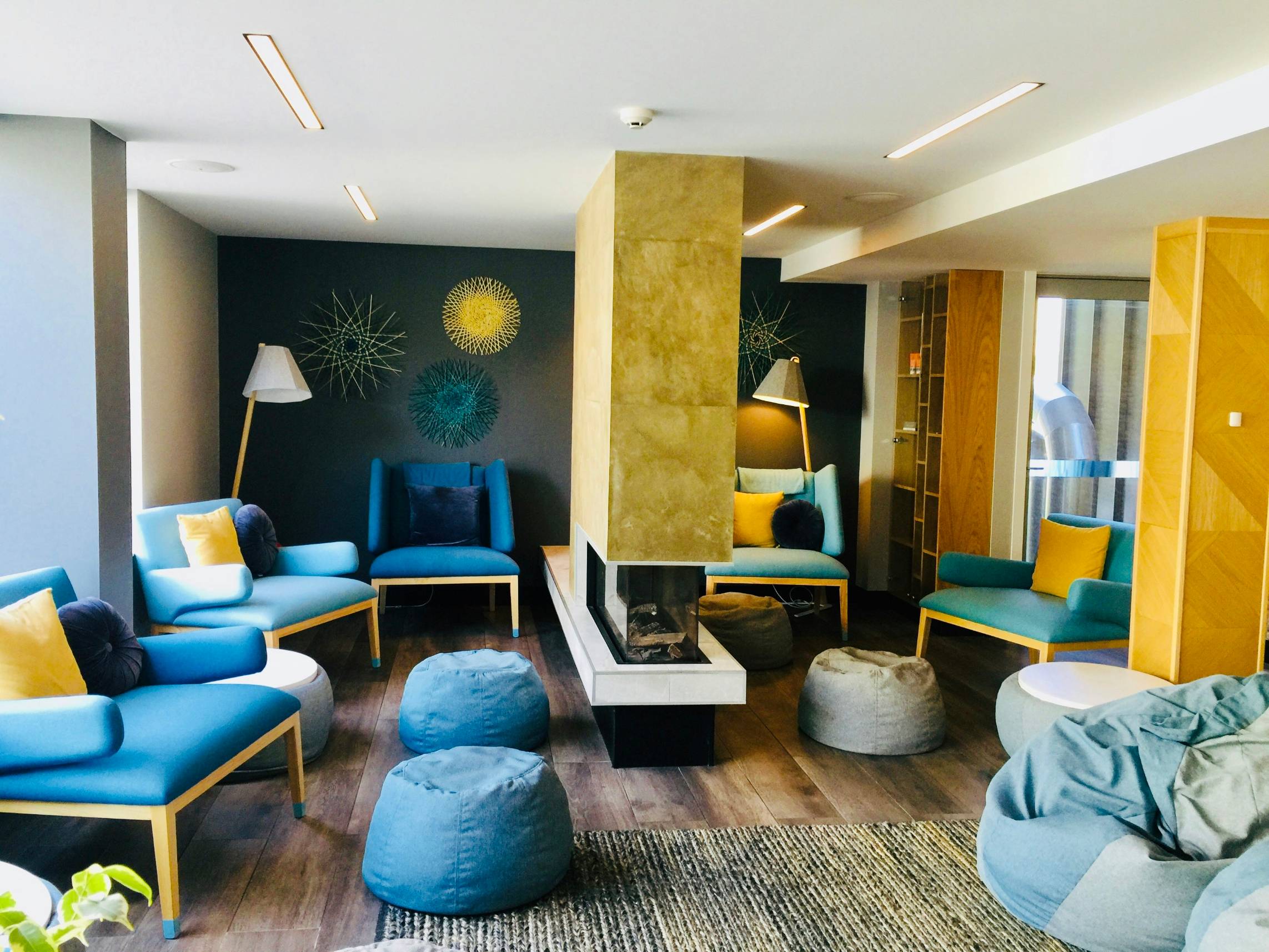
The creation of visually captivating spaces necessitates the skillful interplay of colors and textures. Through the artful combination of various color schemes and the integration of diverse textures into furniture, architects can realize a mesmerizing and multi-dimensional effect. Consider these ideas:
Textural Diversity: Blend furniture with a range of textures and colors to introduce an engaging visual contrast.
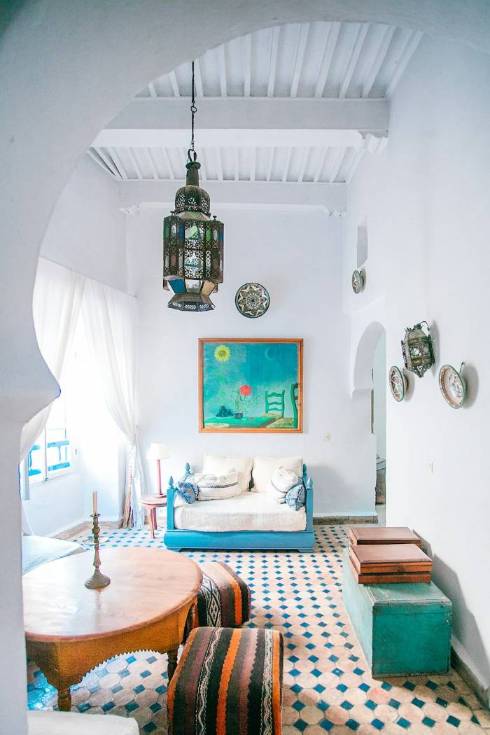
Harmonious Textures: Opt for furniture textures that complement the architectural materials, culminating in a coherent and unified design.
Playful Patterns: Infuse patterned furniture to infuse character and visual intrigue into architectural spaces.