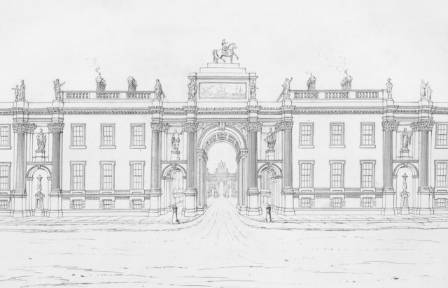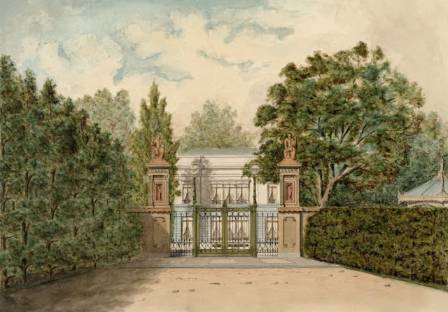
Immerse yourself in the charm of historic architecture and urban streetscapes with this engaging watercolor workshop. “Painting a City Gate Scene” guides you in capturing the timeless beauty of ancient city gates intertwined with modern urban life, using expressive yet approachable watercolor techniques ideal for beginners and intermediate artists alike.
In This Class You’ll Learn:
Atmospheric Skies: Techniques for painting moody grey skies that set the scene’s emotional tone.
Simplified Architecture: Methods to suggest complex city structures without getting lost in tiny details.
Figures in the Street: How to add small yet effective people to bring life, scale, and movement to your scene.
Vertical Perspective: Step-by-step guidance for keeping buildings upright and proportional with accurate perspective.
This session is ideal for watercolorists aiming to improve skills in landscapes, architectural elements, and cityscapes.
Join now and bring the historic allure of old city gates to life in watercolor!
Materials Needed
Watercolor paper
Set of pan or tube paints
Variety of watercolor brushes
Rigger brush
HB pencil and soft eraser
Masking fluid
Soft lint-free cloth
Paper towels
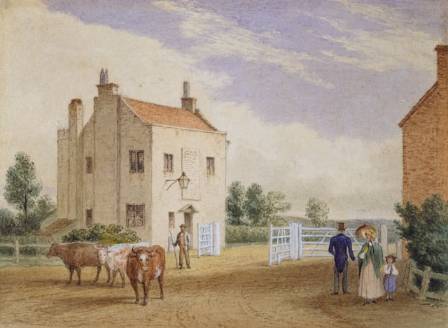
Step-by-Step Tutorial
Paint the Background
Begin by creating contrast for the light-colored buildings with a slightly darkened sky using a mix of blue and purple. Carefully paint around the towers, lightening the tone as you approach the horizon. Allow the sky to dry completely before moving on to the structures.
Mix a dark brown using Cadmium Orange and Blue. Start with the left tower, avoiding window areas, and use vertical strokes to suggest the tower’s height. The right tower receives sunlight—add shadows accordingly, and deepen the left tower’s shadow for dimension.
Paint the Roofs
For the conical rooftops, mix Cadmium Red with a touch of Blue. Apply carefully and lift the sunlit side with a damp brush. For areas catching more sunlight, mix in extra red. Deepen the shadowed side, lift highlights, and add a touch of orange to the sunlit regions.
Paint the Windows
Using a dark mix, fill in small windows on the towers and indicate the flagpoles.
Paint the Buildings
Mix a light blue/purple for buildings in shadow, then use light Yellow Ochre for sunlit surfaces. Start by blocking in the buildings lightly, then layer darker tones for areas in deep shadow.
Add Window Details
With a small flat brush, suggest windows rather than painting each one precisely. Darken windows closer to the foreground. Paint tonal variations on the building faces for added depth.
Paint Distant Buildings
Move on to background structures, keeping them lighter than foreground buildings. Outline roof ridges, windows, and doors at street level. Lightly block in buildings in shadow on both the left and right. Paint roof tones for the nearer buildings.
Paint the Door
Use Yellow Ochre for the sunlit archway door. Add additional windows and outline shadowed areas around the arch.
Paint the Street
Indicate shadows of buildings on the ground and use a light blue/purple for the roadway. Darken foreground areas and fade as the street recedes to suggest depth. Complete details on the bottom of the right-hand tower and add more windows.
Paint People
With a small round brush, hint at figures with simple dots and strokes. Avoid overly dark tones for distant figures. Add two people conversing in the archway and a larger figure on the right with some color. Lift out reflections, keeping details minimal.
Paint the Plants
Add greenery at the base of the towers, highlighting with straight-from-tube yellow. Continue painting building shadows and add shadows for the figures to unify the composition.
This approach ensures a balanced, atmospheric city gate scene with expressive yet accessible watercolor techniques.