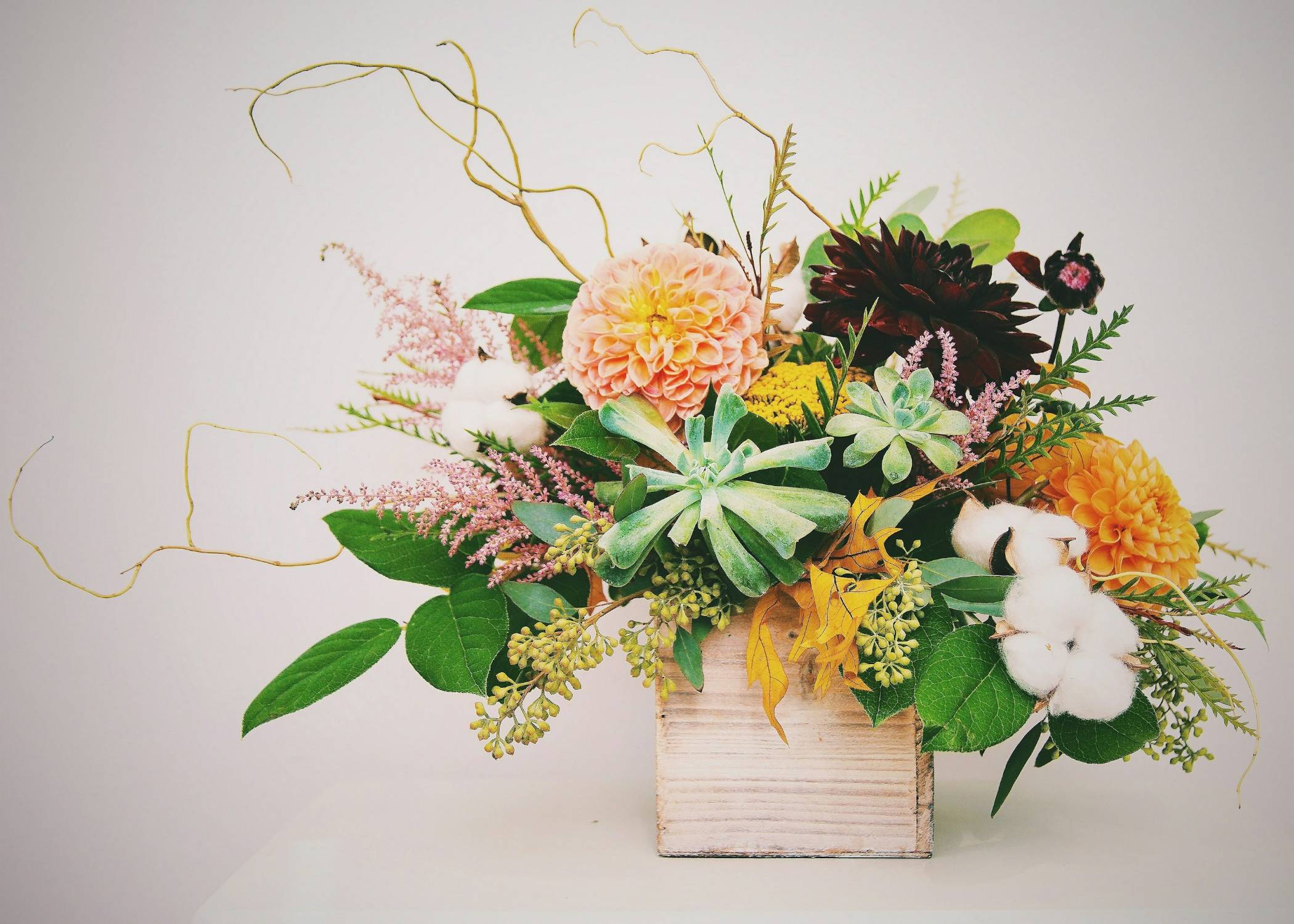
Over time, I’ve gained a bit of a reputation as a flower enthusiast. While I’m not a professional florist, I dedicated considerable time to studying floral design while working on my craft book. Gardening has only deepened my passion for arranging flowers, and now I seize every opportunity to create bouquets as gifts for loved ones. With years of practice behind me, I’m proud of my progress and eager to share my knowledge. Here’s a simple beginner’s guide to crafting stunning floral arrangements—from drawing inspiration and building structure to essential design principles and flower care tips. Join me as I assemble this charming arrangement featuring classic spring blooms like tulips and daffodils!
Find Inspiration
One of the most helpful things I’ve done while learning floral design is seeking inspiration from skilled florists on platforms like Pinterest and Instagram. I’m particularly drawn to asymmetrical arrangements with a romantic, bohemian touch. Sarah from Hemlock & Hellebore creates breathtaking seasonal displays that constantly spark new ideas for me. Her ability to balance beauty and simplicity is truly an art, and studying her work has been invaluable in refining my own style.
Choose a Vessel
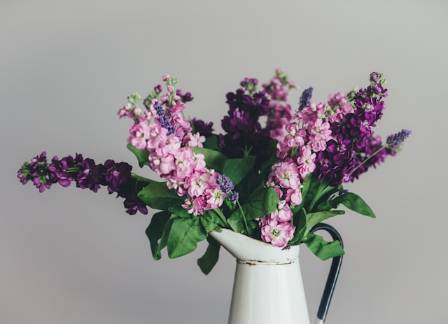
Any container that holds water can serve as a vessel for your floral display! When selecting a vase, remember that a wider opening requires more stems. I usually opt for vases with a 3-4” opening, but I’ve also arranged flowers in low, wide bowls, such as vintage soup tureens. Some of my go-to vessels include footed compote bowls, ceramic pitchers, and small urns.
Add Structure
To keep stems in place, incorporating a supportive structure in your vase is key. For transparent glass vases, I often use a floral pin frog or a tape grid. When working with opaque containers, I rely on chicken wire, which is a more eco-friendly alternative to floral foam. Unlike traditional floral foam, which is petroleum-based and non-recyclable, chicken wire provides sturdy support, can be reused multiple times, and is recyclable if uncoated. Both craft store floral wire (usually coated to prevent rust) and standard poultry netting work well. The amount needed depends on your vase size, but a 12” square typically fits well in a 3-4” opening. Shape the wire into a snug ball that allows stems to pass through two layers for extra stability.
An Eco-Friendly Alternative to Floral Foam
Wearing protective gloves, cut the chicken wire to size and mold it into a rough ball. Insert it into your container and secure it with floral tape if necessary.
Follow a Formula
Arranging flowers in a specific sequence yields the best results! The recommended order is foliage first, followed by focal flowers, and finishing with filler flowers. Placing greenery at the start helps define the arrangement’s overall shape. Since foliage often has thicker, woodier stems, positioning them early simplifies the process. Once the framework is set, introduce the largest, most eye-catching blooms before filling gaps with smaller flowers and textural elements.
Foliage, Focal, Filler
For foliage, I like to incorporate at least two different types. In this arrangement, I used a mix of foraged greenery and apple blossom branches. To help flowers absorb water efficiently, always cut stems at an angle and strip any leaves that would be submerged in water. For woody stems, cutting a vertical slit at the base enhances water intake and extends the bouquet’s lifespan.
Step 1: Foliage
Next, arrange your focal flowers—these are typically the boldest and most prominent blooms. Odd numbers create the most visually appealing compositions, so I prefer working with groupings of three or five. For a natural, organic feel, position some flowers slightly below the vase’s rim and vary stem angles so blooms face different directions. If you have a flower with a curved or droopy stem, embrace it! A little asymmetry adds movement and character. In this arrangement, I used a blend of single tulips, double tulips, and daffodils.
Step 2: Focal Flowers
Lastly, add filler flowers to complete the arrangement and fill in any empty spaces. Thoughtfully chosen filler elements can elevate the overall look. Small blossoms, multi-bloom stems, ornamental grasses, and even dried flowers all work well. In this arrangement, I used delicate daffodils, soft pink hellebores, and foraged field pennycress.
Step 3: Filler Flowers
Flower Care
I used to overlook flower food, but I’ve come to appreciate its benefits! Flower food supplies essential nutrients that prolong bloom life. You can purchase pre-made packets like those from florists or make your own. For optimal freshness, replace the water in your vase every 2-3 days.
By following these simple steps, you can create stunning floral arrangements that bring joy and beauty to any space!