What Are Rice Terraces?
For centuries, Asia has thrived on rice cultivation, shaping the customs, livelihoods, and landscapes of its people. While flat lowlands are used for conventional rice paddies, the mountainous terrains demand a different strategy. Here, locals have ingeniously sculpted the slopes into layered steps—known as rice terraces—that allow water from rainfall, rivers, or mountain springs to cascade down from one level to the next. This ancient technique, believed to have been practiced for hundreds or even thousands of years, not only ensures a steady irrigation flow but also protects the soil from erosion.
Discover some of the most awe-inspiring rice terraces across Asia below.
1. Sapa, Vietnam – Terraces Woven with Tribal Heritage
Nestled in Vietnam’s northern highlands, the Sapa terraces are the legacy of ethnic communities like the Hmong, Dao, Tay, and Ha Nhi, who have cultivated these fields for generations. From afar, the terraces resemble emerald stairways ascending into the clouds. These fertile expanses not only sustain local diets but also offer breathtaking scenery that draws countless travelers.
Peak viewing seasons include the vivid green of summer and the radiant golden hues of late autumn. Beyond the fields, visitors can immerse themselves in local culture through vibrant markets and village life. Adventurers can also attempt the ascent of Mount Fansipan, which towers at 3,143 meters.
2. Mu Cang Chai, Vietnam – A Haven for Thrill-Seekers
About 300 kilometers from Hanoi lies Mu Cang Chai, renowned for its dramatic mountain routes and dazzling rice landscapes. Travelers must navigate the treacherous Khau Pha Pass to reach it—a journey as exhilarating as the destination.
Visit between mid-September and mid-October to witness the golden transformation of the terraces. The region is also a cultural stronghold of the Hmong and Tay ethnic groups, whose traditions remain largely untouched by mass tourism.
3. Tegalalang, Bali, Indonesia – Terraces Among Tropical Greens
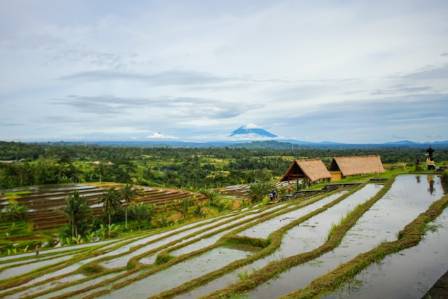
A short trip from Ubud’s bustling center leads you to the Tegalalang terraces—a tranquil retreat framed by palms and jungle canopy. This lush setting is a favorite among photographers and painters seeking tropical inspiration.
Plan your visit from April through October, Bali’s dry season, when the fields flourish and outdoor exploration is most rewarding.
4. Hamanoura, Saga, Japan – Rice Fields by the Sea
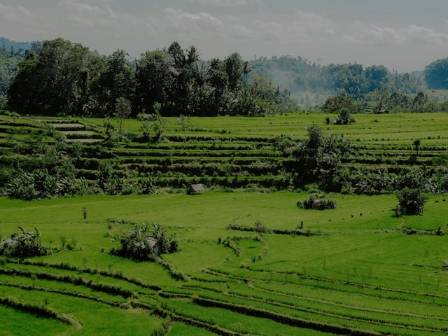
In Saga Prefecture, the Hamanoura terraces slope gently toward the Genkai Sea. By mid-spring, these paddies reflect fiery sunsets, casting intricate patterns across the water and earning the site the nickname “Lover’s Sanctuary.”
Combine your trip with local sightseeing: explore Saga Castle History Museum, stroll through Sagajo Park during cherry blossom season, or visit one of the area’s sacred shrines.
5. Yuanyang, Yunnan, China – A UNESCO-Recognized Wonder
In the Ailao Mountains of southern Yunnan, the Hani and Yi communities carved mesmerizing terraces into the hillsides over a millennium ago. Today, Yuanyang’s rice fields are a UNESCO World Heritage Site, preserved and largely free from large-scale development.
The best time to visit is between January and March, when the terraces shimmer with water and the sky reflects in every step. From late February, blossoms of peach and pear trees brighten the region’s slopes.
6. Annapurna, Nepal – Terraces Amid Himalayan Trails
The Annapurna region, famed for its trekking routes, also hosts some of Asia’s most undisturbed rice fields. Here, the rhythm of rural life persists far from the reach of mass tourism.
Though the terraces lie dormant in winter, they come alive in late February with the songs of farmers preparing for the next crop. The best views emerge during summer when wheat, potatoes, and lentils blanket the landscape in layered greens.
7. Banaue, Philippines – Terraces That Touch the Sky
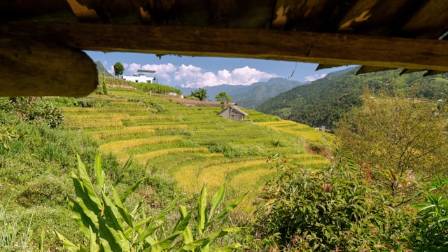
Rising over 1,500 meters above sea level, the Banaue Rice Terraces were carved into the mountains by the Ifugao people more than two millennia ago. A national treasure, these hand-crafted marvels are even featured on the Philippine 20-peso bill.
Accessible by an eight-hour bus ride from Manila, the journey is as scenic as the destination. For optimal views, plan a visit between February–March or June–July. From the Sunrise Viewpoint to Tam-An Village, cultural experiences await.
8. Jiabang, Guizhou, China – Where Terraces Meet Tradition
Spanning over 40 square kilometers, Jiabang’s fields are dotted with wooden stilt houses and traditional villages. The scenery shifts with the seasons—from spring’s rapeseed blooms to the golden glow of autumn.
The terraces are home to more than 15 ethnic groups, including the Miao, Dong, and Yao. The cultural richness is matched by nearby attractions like Qingyan Ancient Town, Zhaoxing Dong Village, and the majestic Huangguoshu Waterfall.