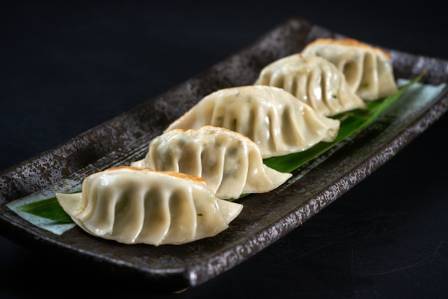
In many cultures, the act of assembling dumplings is more than just meal preparation; it is a rhythmic meditation and a cherished family tradition passed down through generations. While the beautifully pleated creations seen on social media can feel intimidating, the reality is that dumplings are one of the most accessible foods to make at home. The secret lies not in instant perfection, but in the willingness to practice. Even if your first few attempts appear a bit irregular, they will still provide a delicious and satisfying reward.
Perfection Through Preparation and Texture
The foundation of a great dumpling is a robustly seasoned filling. Because the outer dough tends to mellow out flavors, your interior mixture should taste vibrant and bold on its own. If you are using raw ingredients, consider cooking a small spoonful of the filling first to verify the salt and spice levels. Furthermore, managing moisture is critical for structural integrity. Vegetables with high water content, such as leafy greens, should be blanched and squeezed dry before being added to the mix. If the filling still feels too damp, a small amount of cornstarch or breadcrumbs can act as an effective binder to prevent the wrappers from tearing during the cooking process.
Texture also plays a vital role in how easy a dumpling is to fold. Ingredients should be finely minced so the mixture remains cohesive. If your filling feels too loose or crumbly, incorporating a binding agent like mashed beans, potatoes, or a soft cheese like ricotta can help it stay in place. While it is tempting to pack each morsel full, beginners should start with a small amount—about a teaspoon—to maintain control over the pleating. As your confidence grows, you can gradually increase the volume.
Navigating Wrapper Options and Techniques
For everyday cooking, high-quality store-bought wrappers are an excellent and convenient choice. These are typically sold frozen and should be thawed in the refrigerator overnight. When using these, remember to keep a small bowl of water nearby to moisten the edges, as they require extra hydration to seal properly. Round wrappers are generally the preferred shape for traditional pleated styles, while square versions are often reserved for wontons.
If you choose to make your own dough, the process is simpler than many expect. A basic mixture of flour and hot water creates a flexible dough that is easy to roll out thin, making it ideal for potstickers or steamed varieties. For dumplings that will be boiled, a cold-water dough is recommended, as it results in a thicker, sturdier skin that can withstand the turbulence of bubbling water. Unlike store-bought options, fresh homemade wrappers usually possess enough natural moisture to seal without the need for additional water.
Final Assembly and Long-Term Storage
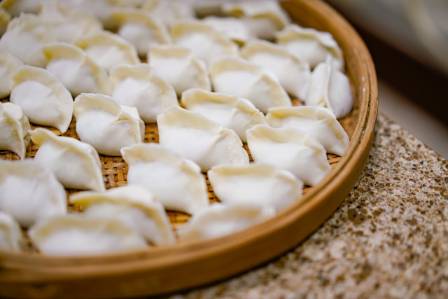
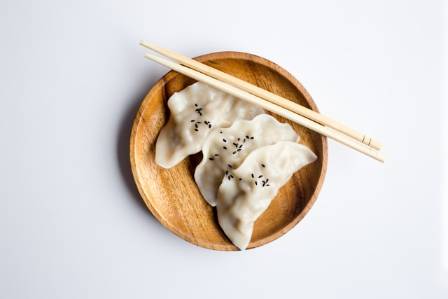
When sealing your dumplings, the primary goal is to eliminate air pockets. Trapped air can cause the dough to expand and burst during cooking, leading to a messy result. As you work through a batch, keep both the unused wrappers and the finished dumplings under a damp kitchen towel to prevent them from drying out and cracking. Don't worry if your pleats aren't perfectly symmetrical at first; the flavor remains unchanged by the aesthetic.
One of the greatest joys of making dumplings is the ability to stock up for the future. Dumplings freeze exceptionally well and provide a quick, gourmet meal whenever a craving strikes. To freeze them, place the finished dumplings on a lined tray until they are firm, then transfer them to a sealed container. Always cook them directly from their frozen state—defrosting them will only lead to a soggy texture. With each batch, you will find your technique improving, turning a simple kitchen task into a rewarding culinary ritual.