Lighthouses have long held a special place in the hearts of travelers, with their rich histories and stunning locations captivating imaginations across the globe. For centuries, these towering coastal sentinels have guided ships safely to shore, standing as enduring symbols of hope, resilience, and human ingenuity. From rugged shorelines battered by waves to serene islands tucked away in distant seas, each lighthouse tells a unique story of maritime heritage, while offering breathtaking views that make the journey to visit them well worth the effort. Here, we explore ten of the world’s most famous lighthouses, each with its own distinct charm and significance.
Cape Hatteras Lighthouse, USA
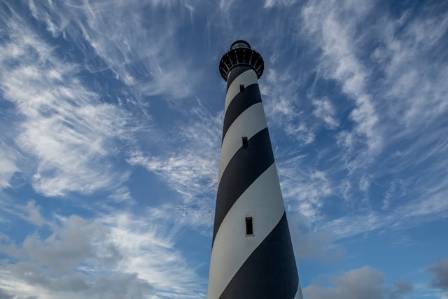
Rising majestically on Hatteras Island in North Carolina, the Cape Hatteras Lighthouse is among the most recognizable beacons in the United States. Its striking black and white spiral pattern makes it instantly distinguishable, a design chosen to stand out against the coastal landscape. Constructed in 1870, its primary purpose was to warn sailors of the perilous Diamond Shoals, a stretch of shallow waters that has claimed countless ships over the years. Today, visitors can tackle the 257-step climb to the top, where they are rewarded with sweeping panoramic views of the Atlantic Ocean. Nearby, a museum offers insights into the lighthouse’s storied past, from its construction to its role in safeguarding maritime travel. The ideal time to visit is between April and October, when mild weather enhances the experience of exploring this coastal landmark.
Peggy’s Point Lighthouse, Canada
Nestled in the charming fishing village of Peggy’s Cove in Nova Scotia, Peggy’s Point Lighthouse is one of Canada’s most photographed landmarks. Built in 1915, this classic red-and-white structure perches atop a cluster of granite boulders, creating a striking contrast against the deep blue waters of the Atlantic. The lighthouse’s picturesque setting has made it a favorite among photographers, especially during sunset, when the golden light bathes the scene in warmth. Beyond the lighthouse itself, visitors can wander through the quaint village, with its colorful houses and bustling seafood shacks serving up the day’s catch. The best time to visit is from May to October, when the weather is pleasant and the village is alive with activity.
Tower of Hercules, Spain
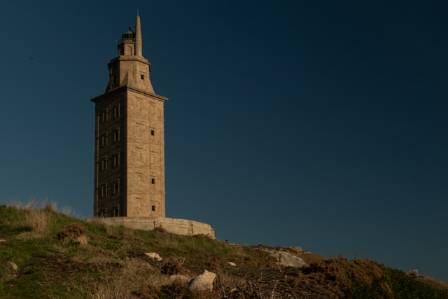
Situated on Spain’s northwest coast, the Tower of Hercules holds the distinction of being the oldest functioning lighthouse in the world, with a history dating back to Roman times. This UNESCO World Heritage Site stands 180 feet tall, its ancient stones bearing witness to over two millennia of maritime history. Originally built by the Romans, the tower has been renovated and restored over the centuries, yet retains its historic charm. Visitors can explore the structure’s interior, learning about its evolution from a Roman beacon to a modern navigational aid, and enjoy the surrounding sculpture park, which adds an artistic touch to the coastal landscape. The months of June to September offer the best weather for a visit, with mild temperatures and clear skies enhancing the views of the Atlantic Ocean.
Lindau Lighthouse, Germany
Located on the eastern shore of Lake Constance, the Lindau Lighthouse holds the title of Germany’s southernmost lighthouse. Built in 1856, this charming structure features a clock, adding a unique touch to its design, and offers stunning vistas of the lake and the snow-capped Alps in the distance. The lighthouse is situated in the historic town of Lindau, a picturesque destination with cobblestone streets, medieval buildings, and a vibrant waterfront. Visitors can take a leisurely stroll through the town, hop on a boat tour of the lake, or climb the lighthouse for a postcard-perfect view of the surrounding scenery. The optimal time to visit is from May to September, when the lake is alive with activity and the weather is ideal for outdoor exploration.
Aniva Lighthouse, Russia
Perched on the rocky coastline of Sakhalin Island, Aniva Lighthouse is one of the world’s most remote and enigmatic beacons. Built by the Japanese in 1939, it was abandoned in the 1990s, leaving behind a hauntingly beautiful structure that has reclaimed by nature. Reaching Aniva is an adventure in itself, often involving boat rides across choppy waters and hikes over rugged terrain, but the journey is rewarded with unparalleled views of the decaying lighthouse standing against the wild, untamed coastline. The crumbling walls and broken windows tell a story of forgotten history, making it a fascinating destination for photographers and history enthusiasts alike. The summer months of June to August are the only feasible time to visit, as harsh winter conditions make the area inaccessible.
Macquarie Lighthouse, Australia
As Australia’s first and longest-operating lighthouse, Macquarie Lighthouse in Sydney holds immense historical significance. Originally constructed in 1818 and rebuilt in 1883 after damage from storms, it stands proudly on the South Head Peninsula, guiding ships through the treacherous entrance to Sydney Harbour. The lighthouse’s elegant design, with its white tower and classic lines, has made it a beloved landmark. Visitors can join guided tours to learn about its history, from its early days as a vital navigational aid to its role in modern maritime safety, and take in spectacular views of the Pacific Ocean crashing against the coastline. The best time to visit is from September to April, when Sydney’s mild climate makes exploring the peninsula a pleasure.
Cape Point Lighthouse, South Africa
Located at the tip of the Cape Peninsula, Cape Point Lighthouse offers breathtaking views where the Atlantic and Indian Oceans meet in a turbulent clash of waters. The original lighthouse, built in 1860, was later replaced in 1919 due to poor visibility caused by frequent fog and mist. The newer lighthouse stands atop a cliff, its position offering unobstructed vistas of the surrounding seas and rugged coastline. Visitors can hike to the lighthouse, traversing trails that wind through the Cape Point Nature Reserve, home to diverse wildlife including baboons, ostriches, and a variety of seabirds. The reserve’s natural beauty, combined with the lighthouse’s rich history, makes it a must-visit destination. The optimal time to visit is from October to March, during South Africa’s summer, when the weather is warm and dry.
Punta José Ignacio lighthouse, near Punta del Este, Uruguay
Known locally as Faro José Ignacio, this lighthouse is situated near the resort town of Punta del Este in Uruguay, within the municipality of Garzón in the Maldonado department. It has become the most iconic and beloved lighthouse in the region, drawing visitors with its simple, charming design and stunning coastal setting. The lighthouse stands as a symbol of the area’s maritime heritage, while its location near the vibrant resort town means visitors can combine a trip to the lighthouse with exploring Punta del Este’s beaches, restaurants, and nightlife. Whether viewed at sunrise or sunset, Faro José Ignacio offers a peaceful retreat amidst the natural beauty of Uruguay’s coastline.
Cape Reinga Lighthouse, New Zealand
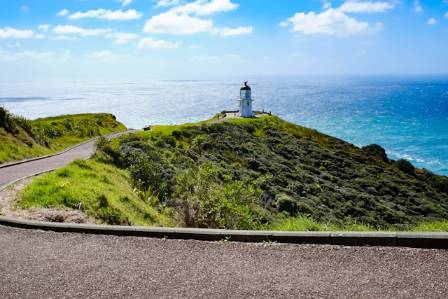
Situated at New Zealand’s northernmost tip, Cape Reinga Lighthouse is a place of great spiritual significance, steeped in Maori legend. Built in 1941, it overlooks the dramatic meeting point of the Tasman Sea and the Pacific Ocean, where the waters churn and collide in a spectacular display of nature’s power. According to Maori tradition, this is the place where the souls of the deceased depart for the afterlife, adding a profound cultural layer to the site. Visitors can walk the scenic trail to the lighthouse, taking in the rugged coastal scenery and watching as the two oceans merge. The best time to visit is from November to March, during New Zealand’s summer, when the weather is mild and the days are long.
La Marina Lighthouse / Faro La Marina, Peru
Faro La Marina, located in the Miraflores district of Lima, Peru, is the country’s most popular and visited lighthouse. Painted dark blue with two striking white bands, it stands out against the city’s coastal landscape, offering a focal point for both locals and tourists. The lighthouse is situated in a vibrant area, with nearby parks, restaurants, and beaches making it a popular spot for leisurely walks and picnics. Visitors can climb to the top for views of the Pacific Ocean and the bustling city of Lima beyond, or simply admire its unique design from the shore. Its central location and accessibility make it a must-see attraction for anyone visiting the Peruvian capital.
Conclusion
Lighthouses are more than just navigational aids—they are monuments to human resilience, testaments to our relationship with the sea, and windows into the past. Each of these ten lighthouses, from the iconic Cape Hatteras to the remote Aniva, offers a unique blend of history, natural beauty, and cultural significance. Whether perched on rocky cliffs, nestled in charming villages, or standing sentinel on distant islands, they continue to captivate travelers with their stories and their ability to inspire awe. Visiting them is not just a journey to see a landmark, but an opportunity to connect with the maritime history that has shaped our world, and to marvel at the enduring power of these beacons of light.