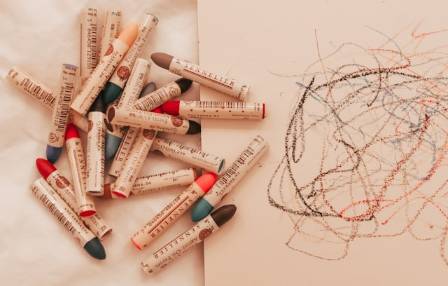
The childlike crayon drawing prompt is a specialized framework designed to produce digital illustrations that faithfully imitate the spontaneous, imperfect charm of naive art. It uses texture simulation to recreate thick, waxy crayon strokes, uneven outlines, and messy scribbled shading on white-lined notebook paper. By emphasizing irregular proportions and flat, two-dimensional compositions, this system captures the joyful simplicity and whimsical imperfection characteristic of early childhood drawing. It provides artists and designers with a consistent method for creating nostalgic, visually engaging images suitable for storytelling, editorial work, and brand campaigns.
What Is It?
This prompt structure guides AI models like Gemini (Nano Banana Pro/2), ChatGPT, Midjourney, and other image-generation tools to produce childlike crayon illustrations. By swapping in your subject in the placeholder, you can generate custom artwork that retains a naive, playful aesthetic.
How to Use
Variable Injection: Replace content with simple, imaginative subjects, such as “a pink elephant flying over a green castle” or “a smiling sun and dancing flowers”. The key is to keep ideas straightforward to preserve childlike logic.
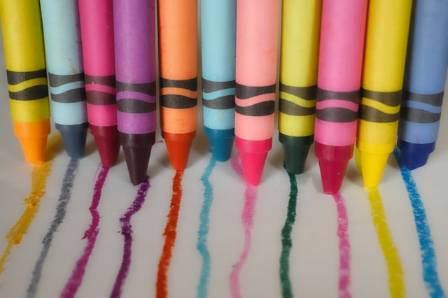
Texture Fidelity: Include phrases like “heavy pressure marks” and “waxy smudges” to maintain the tactile, crayon-like surface appearance.
Paper Reference: Always keep “white lined notebook paper” in your prompt. This ensures the background mimics the classic notebook page rather than a clean digital canvas.
Perspective Management: If the AI introduces depth or 3D shading, reassert “flat composition” at the start of the prompt to retain a two-dimensional, childlike look.
Typical Applications
-
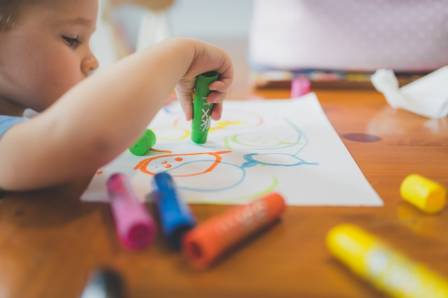
Editorial Illustration: Craft nostalgic, attention-grabbing headers for articles about early childhood, parenting, or education.
-
Brand Storytelling: Develop “handmade” visuals for organic product campaigns, eco-friendly toys, or kid-focused brands.
-
Digital Storybooks & Games: Prototype charming, child-drawn visuals for children’s books, independent games, or interactive media.
Why This Prompt Works
The strength of the childlike crayon prompt lies in deliberately embracing imperfections. Unlike typical AI art prompts that aim for photorealism, this method encourages visual “flaws” such as overflowing outlines, uneven coloring, and broken perspective. Anchoring the image to “lined notebook paper” triggers a style that favors crayon texture over smooth digital surfaces. The result evokes nostalgic, playful visuals that feel authentically hand-drawn, tapping into the visual language of childhood in a highly effective way.
Common Pitfalls & Solutions
-
Overly Polished Output: If the artwork looks too clean or professional, add descriptors like “shaky hands” or “broken crayon” to reinforce childlike imperfection.
-
Unwanted 3D Shading: If realistic shadows appear, move “Flat composition” to the very beginning of the prompt to reestablish the naive aesthetic.
Summary
The childlike crayon drawing prompt is a reliable, high-performance tool for creators seeking authentic handmade visuals. Its technical effectiveness comes from precise use of texture-focused keywords such as “heavy pressure marks” and “waxy smudges”, which preserve a tactile, crayon-like feel. This approach prevents the typical “digital plastic” appearance of AI images, making it ideal for professional editorial, branding, and storytelling projects.