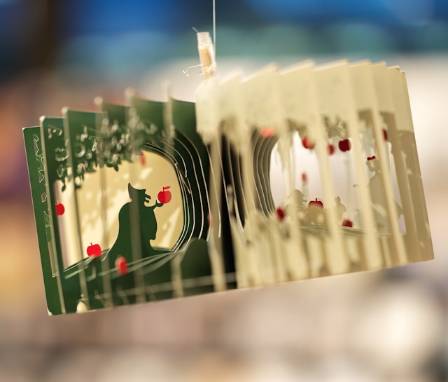

As part of our mission to encourage the exploration of new artistic techniques, we are sharing insights into one of our favorite crafts: paper cutting. This art form is celebrated not only for its beautiful results but also for the meditative focus it requires. Engaging in a paper cutting project allows you to disconnect from daily stressors and immerse yourself in a relaxing creative flow. While it may take a few sessions to find your rhythm, the sense of tranquility it provides is immense.
One of the best aspects of paper cutting is its accessibility. You can start with basic patterns and gradually advance to more intricate designs as your skill improves. Furthermore, it is a space-efficient hobby that requires a minimal initial investment. Many crafters find they already own several of the necessary tools, making it one of the easiest crafts to begin.
Essential Tools for Your Paper Cutting Kit
To get started, you will need a few specialized items. First, the paper choice is crucial. Standard printer paper is generally too flimsy and can dull your blades quickly. Most artists prefer a weight between 130gsm and 180gsm. It is worth experimenting with different textures and weights to find what suits your style. You will also need a selection of colored papers for mounting your finished work.
A high-quality craft knife is your most important tool. I highly recommend choosing one with a padded grip to ensure comfort during long sessions. Along with the knife, you must have a steady supply of sharp blades. Fine, pointed blades are ideal for detail work. You will likely go through these faster than expected, so purchasing them in bulk is often a cost-effective strategy. Always remember that sharp blades are essential for clean cuts and safety.
A self-healing cutting mat is also vital to protect your furniture. While an A4 mat works for many projects, an A3 mat provides extra room to rotate your paper, which is often necessary when navigating complex angles. To find designs, you can look for specialized template books or download digital files to print at home. Finally, keep some spray glue or adhesive dots on hand to mount your finished piece, along with a frame to display your work.
A Step-by-Step Approach for Beginners
When you are ready to begin your first project, select a simple template with straight lines and large shapes. It is best to avoid complex circles or tiny details until you understand how the blade interacts with the paper. Most templates are printed in reverse, meaning you are cutting the back of the design. This technique ensures that the final front-facing side remains clean and free of printer ink or pencil marks.
The golden rule of paper cutting is to start with the smallest and most intricate details first. Do not save these for the end! Cutting the small bits while the surrounding paper is still solid provides the structural integrity you need for precision. If you leave the small parts for last, the paper will be weaker and more prone to tearing. Similarly, avoid cutting the outer edges of the design until the very end to keep the sheet stable while you work.
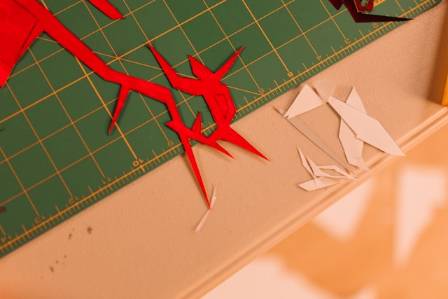
To ensure a successful start, find a quiet area with excellent lighting. Take frequent breaks to rest your eyes and neck. Remember that your workspace will inevitably be covered in tiny paper scraps, so embrace the creative mess. Whether you choose a "floating" style behind glass or a traditional mounted look, seeing the final design come together as you remove the last border is incredibly satisfying.
Advanced Techniques and Personal Growth
Once you have mastered the basics, there are many ways to expand your skills. You can challenge yourself with more elaborate designs featuring swirling lines and delicate fonts. Experimenting with different types of paper, such as mirrored, metallic, or textured surfaces, can also add a new dimension to your art.
Another exciting method is layered paper cutting. This involves creating multiple templates—one for each color in an image—and stacking them to build a full-color, three-dimensional effect. For those looking for the ultimate creative challenge, try designing your own templates. Creating a piece from scratch, from the initial sketch to the final cut, offers a profound sense of accomplishment.
Important Lessons for the Developing Artist
There are a few things I wish I had known when I started. First, cutting perfect circles is difficult and requires significant practice. Try rotating the paper rather than the knife, and always cut from the inside of the circle toward the line. If a detail feels too daunting, do not be afraid to alter the template. No one else knows what the original design looked like, so feel free to skip or simplify parts to match your current skill level.
Directional cutting is also key to preventing tears. Always try to cut from a solid area toward a delicate point, such as cutting from a tree trunk out toward a thin branch. This places less stress on the fragile parts of the paper. It is also wise to print multiple copies of your template so you can practice tricky sections or start over if a mistake happens. Most importantly, change your blade the moment you feel it dragging. A fresh blade makes all the difference in the quality of your work.