The Bumpy-Bell Cauliflower Jelly
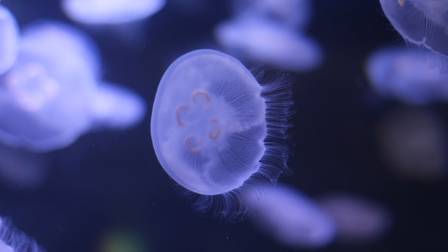
The cauliflower jellyfish (Cephea cephea) gets its name from the knobby bumps that decorate its bell. This large and striking species can reach up to two feet in width and inhabits the tropical and subtropical waters of the Indo-Pacific, the mid-Pacific, and the Atlantic off West Africa. It’s also nicknamed the crowned jelly for its regal appearance.
Tiny but Mighty Mangrove Box Jelly
Don’t be fooled by its size—this grape-sized jelly (Tripedalia cystophora) is a standout. Its body is cube-shaped rather than dome-like, giving it an edge in maneuvering quickly through mangrove-lined coastal waters. Despite being one of the smallest jellies, it’s impressively agile.
The Glasslike Crystal Jelly
Living along the Pacific Coast of North America, the crystal jelly (Aequorea victoria) is known for its translucent body and trailing tentacles. Invisible in daylight, it reveals a hidden talent in the dark—it glows with a soft blue-green light when disturbed, thanks to its natural bioluminescence.
Spotted Elegance: The White-Spotted Jellyfish
Native to the western Pacific, the white-spotted jelly (Phyllorhiza punctata) is recognized by the white dots on its bell. These jellies are filter feeders, each capable of straining over 13,000 gallons of seawater daily. Though harmless to people, they can outcompete native marine life for food when introduced to new habitats.
Bottoms Up: The Upside-Down Jelly
Unusual in both behavior and appearance, the upside-down jelly (Cassiopea) rests with its bell against the seafloor and its tentacles facing upward. This posture allows sunlight to nourish the algae living within its body—organisms that provide energy through photosynthesis. They’re typically found in warm, shallow coastal waters.
Deep Sea Giant: The Black Sea Nettle
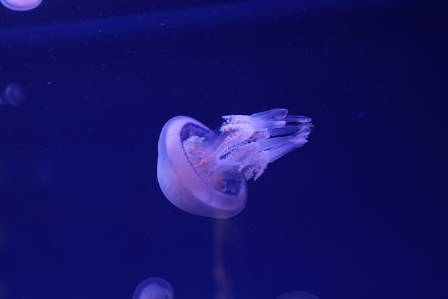
With a bell that can span three feet and tentacles reaching 25 feet, the black sea nettle (Chrysaora achlyos) is a true ocean titan. Despite its name, it’s a deep reddish color that helps it blend into the darkness of the ocean depths. It’s rarely encountered and not easily maintained in aquariums, making it a mysterious resident of the Pacific.
The Sunny Fried Egg Jelly
As its name suggests, the fried egg jellyfish (Cotylorhiza tuberculata) resembles a golden yolk surrounded by a translucent white bell. Found in the Mediterranean, this species lives a brief but vibrant life, typically only surviving from summer to early winter.
The Majestic Lion's Mane
The lion’s mane jellyfish (Cyanea capillata) holds the title of the largest jellyfish species on Earth. Its flowing mass of tentacles can stretch over six feet long. Found in cold northern oceans, this jelly is also known as the Arctic red jelly for its vivid hue and preferred chilly habitat.
Flashing for Defense: The Atolla Jelly
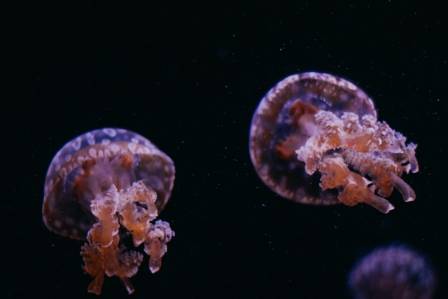
The Atolla jelly (Coronate medusa) uses light as a survival strategy. Found in deep waters worldwide, it emits rapid pulses of blue light when threatened. These flashes act like a distress signal, potentially drawing in predators that may target the jelly’s attacker instead.
The Ambush Predator: Narcomedusae
One of the ocean's more unusual species, the Narcomedusae is equipped with multiple stomach pouches and venomous tentacles. It swims with its stingers held out in front, allowing it to surprise and capture prey efficiently in the dark, open waters where it roams.
Jellyfish are more than just drifting sea creatures—they are survivors, innovators, and living works of art in the mysterious underwater world.