Transitioning into the world of art is an exhilarating process of discovery. This comprehensive guide is designed for those who want to master the art of painting, with a specific focus on creating fashionable, vibrant, and colorful cityscapes. By following these steps, you will learn how to move from a blank canvas to a high-energy urban masterpiece.
Step 1: Define Your Purpose and Creative Vision
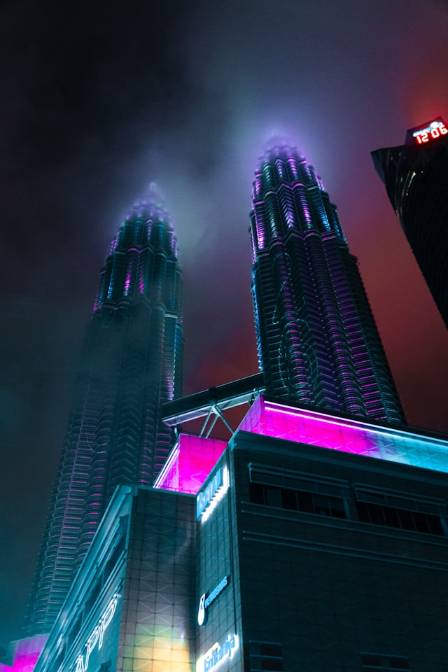
Before touching a brush to the canvas, it is essential to consider why you are drawn to the urban aesthetic. Are you captivated by the neon glow of a city at night, the architectural rhythms of a skyline, or the fashionable energy of a busy street?
Your intent dictates your learning path. If you aim to capture the "vibrant" and "fashionable" side of a city, you might focus more on color theory and dynamic brushwork rather than the rigid, mathematical precision of traditional architectural drawing. Identifying your "big idea"—such as "the reflection of city lights on a rainy pavement"—will give your work a clear voice and direction.
Step 2: Select Your Medium (Acrylics, Oils, or Watercolors)
Choosing the right medium is a foundational decision that affects the "feel" of your cityscape.
-
Acrylics (The Modern Choice): Ideal for vibrant cityscapes because they dry quickly, allowing you to layer bold, bright colors rapidly without them mixing into "mud." They are perfect for the sharp edges found in urban architecture.
-
Oils (The Rich Choice): Oils offer a luminosity and blending capability that is unmatched. They are excellent if you want to create soft, glowing atmospheric effects around streetlamps or hazy city horizons.
-
Watercolors (The Fluid Choice): Watercolors are perfect for an "impressionistic" city look, where the buildings and lights bleed into one another to suggest motion and energy.
Step 3: Assemble Your Urban Painting Kit
To create a fashionable and colorful cityscape, you don't need an exhaustive list of supplies, but quality in key areas is vital.
-
Surface: A primed canvas for acrylics/oils or heavy-duty cold-press paper for watercolors.
-
Brushes: A mix of large flat brushes for sky and buildings, and small round brushes for fine details like windows or street signs.
-
Palette Knives: Essential for "fashionable" cityscapes, as they allow you to apply thick, textured paint (impasto) to represent the physical surfaces of the city.
-
Vibrant Palette: Beyond the basics, include "fashionable" colors like Phthalo Blue, Bright Magenta, or Lemon Yellow to achieve that high-octane urban glow.

Step 4: Master the Artistic Fundamentals
To make a city "pop," you must understand the core pillars of art:
-
Color and Value: In a colorful cityscape, the relationship between light and dark is everything. The "value" (how light or dark a color is) creates the illusion of a glowing window against a dark wall.
-
Composition: Use "leading lines"—such as a road or the edge of a skyscraper—to pull the viewer's eye into the center of your fashionable metropolis.
-
Edges: A "fashionable" style often uses a mix of hard edges (the sharp silhouette of a building) and soft/lost edges (the glow of a neon sign blurring into the night air).
Step 5: Select Your Urban Subject
Choosing what to paint is a challenge of its own. Look for a scene that provides high contrast and exciting shapes. Ask yourself:
-
Is there a clear "big idea" (e.g., "The rush of the evening commute")?
-
Does the scene have a fashionable color harmony (e.g., a palette of teals and oranges)?
-
Does the architecture provide an interesting geometric design?
A photo of a street in Tokyo or New York at dusk often provides the perfect balance of shadow and vibrant artificial light to challenge a beginner.
Step 6: Execute Your Vibrant Cityscape
When you begin your first painting, start with the "General to Specific" approach.
-
The Underpainting: Map out the largest shapes and colors with a thin, light wash. Don't worry about windows yet; just block in the sky and the massive shapes of the buildings.
-
Building Form: Start adding the mid-tones. Define where the light is hitting the side of a skyscraper versus where it is in shadow.
-
The Vibrant Details: This is where the "fashionable" element comes in. Add the high-saturation colors—the neon signs, the streaks of car taillights, and the reflections in the glass. Use bold, confident brushstrokes or a palette knife to add texture.
[Image showing a painting progress: from basic shapes to detailed cityscape]
Step 7: Critique and Refine
Once your painting is dry, step back and view it with a critical eye. Does it feel "vibrant"? Do the colors harmonize?
Ask yourself if the composition draws the viewer into the city or if it feels cluttered. Don't be discouraged if your first attempt isn't perfect. The "vibrant" style thrives on energy and movement; sometimes a "mistake" or a stray paint splatter actually adds to the fashionable, urban feel of the piece. Review your work, identify one thing to do differently next time, and start your next urban adventure.
The secret to mastering colorful cityscapes is a cycle of learning, experimenting with bold colors, and constantly observing the world around you.