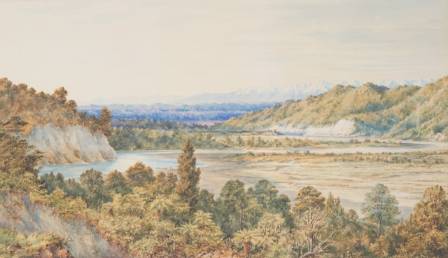
Today, I’m excited to guide you through the process of creating beautiful watercolor landscape paintings! Whether you’ve never picked up a brush before or you’ve been painting for years and want to elevate your landscape skills, I’ve got practical tips and techniques to help you paint vivid, dreamy scenes quickly. I’ve even been jokingly called the “Bob Ross of Watercolor” a few times, so let’s have some fun with this!
4 Key Principles of Watercolor Landscape Painting
Before diving into techniques, it’s essential to understand four principles I always follow when painting landscapes in watercolor. These foundations will help your work feel balanced, visually appealing, and full of depth. Skipping straight to painting might seem tempting, but learning these will make a noticeable difference.
1. Visualize and Sketch
Before adding any color, take a moment to imagine your scene and lightly sketch it on your paper. Don’t worry about perfection—this is just a guide to help plan your composition. Keep your lines simple; this will help you stay organized as you paint.
2. Focus on Tone and Values
Understanding light and shadow is key in landscapes. Start with your lightest washes and gradually layer darker tones. This builds depth and gives your work a realistic, three-dimensional feel. Highlight where light strikes and deepen shadows where needed to make your painting pop.
3. Think About Composition
Composition shapes how viewers experience your painting. Arrange elements like trees, rivers, or mountains in a way that naturally guides the eye. Whether you use the rule of thirds or go with intuition, a strong composition makes your work more engaging.
4. Add Details Sparingly
In watercolor landscapes, less can be more. Avoid overloading your painting with tiny details. Suggest elements like leaves or grass with brushstrokes, letting the viewer’s imagination complete the picture. This creates openness and allows your scene to feel more expressive.
Bonus Tip: Try arranging objects in a zig-zag pattern to guide the viewer’s gaze and add movement to your composition.
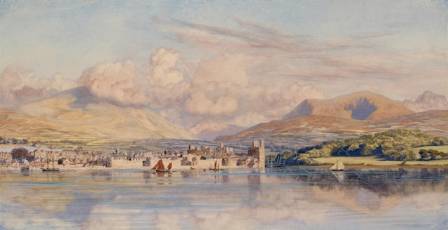
Choosing the Right Materials
Having the proper materials is just as important as technique. Here’s what you’ll need:
Paper: High-quality watercolor paper is crucial. Heavier sheets handle multiple washes without warping.
Paints: Good paints make a difference in color vibrancy and blendability. You don’t need the most expensive set, but quality matters.
Brushes: A mix of brush sizes and shapes is essential. Start with round brushes (sizes 2, 4, 6) and a larger flat brush for washes. Soft, springy brushes help you control strokes better.
Mastering Core Techniques
Two main techniques form the foundation of all watercolor landscape work: wet-on-wet and wet-on-dry.
Wet-on-Wet: Apply wet paint to wet paper for soft, dreamy effects like misty mountains or clouds. Pre-wet the paper, then add color and let it blend naturally. Tilting the paper helps create fluid transitions.
Wet-on-Dry: Apply wet paint to dry paper for sharper edges and more control. Use this for details in the foreground, texture, or layered effects. Let layers dry before adding more to build dimension.
Tutorials to Get You Started
Here are a few simple tutorials to practice these techniques:
Watercolor Winter Scene
Learn to create snowy landscapes using salt, white gouache, and negative space for texture. Great for beginners experimenting with soft effects.
Mountain Lake Scene
Master reflections, layered mountains, and fluffy clouds while learning to create depth through light and shadow.
Ocean Landscape
Capture the movement and dimension of waves using layering and texturing. This tutorial also teaches aerial perspectives of the sea and foam.
These tutorials are starting points—feel free to experiment with colors, shapes, and layouts. My YouTube channel has plenty of videos to guide you from basic to advanced techniques.
Have Fun!
Watercolor painting should be enjoyable, so don’t stress about perfection. Experiment, mix colors, and play with compositions. Mistakes are opportunities to learn, and every brushstroke brings you closer to improving your skill.
Take Your Painting to the Next Level
All artists start somewhere, and with consistent practice, you’ll notice improvement with every painting. If you’re passionate about watercolor landscapes and want to expand your knowledge, check out my course The Art Within. It covers everything from color mixing and layout to developing your own style.
Don’t forget to follow me on Instagram for painting inspiration, tips, and behind-the-scenes looks at my process. I love connecting with fellow artists and seeing your creations!