Afternoon tea is widely seen as one of England’s most iconic social customs, yet its origins are relatively recent. While tea drinking itself began in China thousands of years ago and became fashionable in England during the 1660s thanks to King Charles II and Catherine of Braganza, the idea of a structured “afternoon tea” ritual only emerged much later in the 1800s.
How Afternoon Tea Began
The practice is credited to Anna, the 7th Duchess of Bedford, around 1840. At the time, dinner was typically served quite late in the evening, often around 8 p.m., leaving a long gap after lunch. The Duchess would experience hunger in the late afternoon and began requesting a small tray of tea accompanied by bread and butter, cakes, and light snacks.
Interestingly, this idea of placing fillings between slices of bread had already been introduced earlier by the Earl of Sandwich. The Duchess found this simple meal so satisfying that she soon began inviting close friends to join her, turning it into a social occasion.
A Social Custom Emerges
What began as a private habit gradually evolved into a fashionable social event among the upper classes. By the 1880s, afternoon tea had become a refined ritual for society women. They would dress in elegant gowns, wear gloves and hats, and gather in drawing rooms between 4 and 5 p.m. for tea and conversation.
What Traditional Afternoon Tea Includes
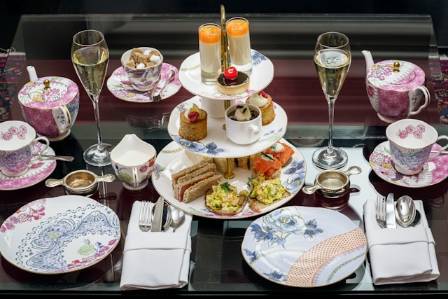
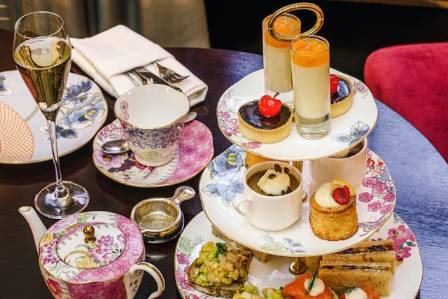
A classic afternoon tea service typically features:
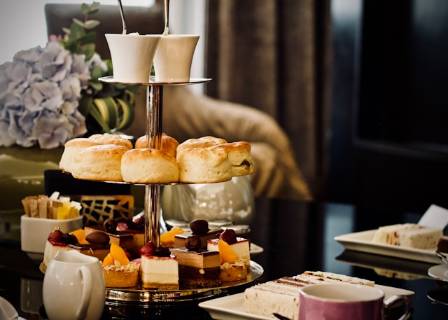
Delicate finger sandwiches (such as cucumber sandwiches)
Freshly baked scones served with jam and clotted cream
A selection of cakes and pastries
The tea itself is usually high-quality loose-leaf tea from India or Ceylon, brewed in silver teapots and served in fine bone china cups.
Modern Afternoon Tea
Today, the tradition has become much more casual in everyday households. Instead of a full spread, it is often reduced to a simple biscuit or small cake accompanied by a mug of tea—usually made with a tea bag. While convenient, traditionalists might consider this a much less refined version of the original custom.
Experiencing Afternoon Tea Today
For an authentic experience, many people choose to visit luxury hotels in London or charming tea rooms in the countryside. One of the most famous regional variations is the Devon cream tea, which includes scones, strawberry jam, clotted cream, and hot tea served in porcelain cups.
The western counties of England—including Devon, Cornwall, Dorset, and Somerset—each claim to serve the finest version of cream tea.
Devon vs. Cornwall: A Friendly Debate
A long-standing regional discussion surrounds the “correct” way to assemble a cream tea. Once a scone is split, the question arises: should jam or clotted cream go on first?
Devon tradition: cream first, then jam
Cornish tradition: jam first, then cream
Both sides passionately defend their method, but in Devon the preference is firmly “cream first.”
Where to Enjoy Afternoon Tea in London
For those wanting a classic experience, several prestigious London establishments are known for serving traditional afternoon tea. These include luxury hotels and historic venues such as Claridge’s, The Dorchester, The Ritz, The Savoy, as well as iconic stores like Harrods and Fortnum & Mason.
Each offers its own elegant interpretation of this beloved British tradition.