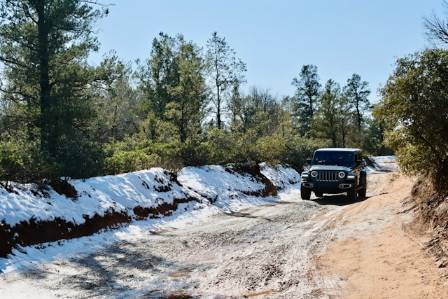
Off-road driving demands vehicles that are purpose-built to tackle rough and unpredictable terrain. These machines are designed to handle challenging surfaces like sand, mud, snow, and rocky paths, thanks to features such as extended suspension travel and rugged all-terrain tires. Below is an overview of different off-road vehicle types and what makes each one unique.
What Defines an Off-Road Vehicle?
An off-road vehicle is any motorized machine engineered to travel across unpaved environments. This includes navigating natural obstacles such as gravel, mud, streams, rocks, swamps, and snowy landscapes—essentially anywhere beyond paved roads. Common categories include four-wheel drives (4x4s), all-terrain vehicles (ATVs), side-by-sides (SxS), dirt bikes, and snowmobiles. There are also more niche options like amphibious vehicles, snow bikes, and electric all-terrain bicycles.
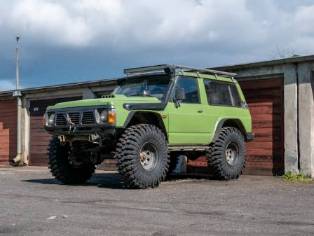
Key features that make four-wheeled off-road vehicles effective include high ground clearance, durable underbody protection, powerful torque-focused engines, snorkel air intakes, and reinforced suspension systems. These vehicles can also carry essential gear like winches, jacks, and repair kits, along with survival equipment for remote travel.
Two-wheeled off-road machines such as dirt bikes share similar traits, including knobby tires and long suspension travel, allowing them to navigate narrow trails and rough paths with ease. While they are lighter and more agile, they offer limited storage capacity, meaning riders must carry essential tools and supplies personally or in compact packs.
It’s important to note that many off-road vehicles—especially dirt bikes and ATVs—are not street-legal in certain regions. As a result, they typically need to be transported via trailers, vans, or pickup trucks to designated riding areas.
Types of Off-Road Vehicles
ATV (All-Terrain Vehicle)
ATVs are known by different names worldwide, such as quad bikes or four-wheelers. In the United States, they’re often called ATVs or Light Utility Vehicles (LUVs).
Originally derived from motorcycles, ATVs share many similarities, including handlebar steering, engine configurations, and drivetrain systems. The key difference lies in their four-wheel design, which provides greater stability and adaptability on rough terrain.
Thanks to this design, ATVs are widely used in agriculture for transporting goods, towing small trailers, and navigating areas without proper roads. They’re also popular for recreational riding and motorsports, with competitive quad racing taking place on dirt tracks and off-road circuits. Racing ATVs are often modified with upgraded suspensions and high-performance engines.
While some countries allow ATVs on public roads, they are typically restricted to off-road use in regions like the U.S., Canada, and Australia. They are also used in military settings for rapid movement across terrain inaccessible to larger vehicles. However, safety concerns—particularly rollovers—have led to increased emphasis on protective gear and responsible riding practices.
UTV (Utility Task Vehicle)
UTVs, also called side-by-side vehicles (SxS), differ from ATVs mainly in their seating arrangement. Instead of straddling the vehicle, occupants sit side by side on bench-style seats.
These vehicles can typically carry between two and six passengers, depending on the model. In farming and hunting environments, UTVs are commonly used to reach remote areas, often featuring a cargo bed for tools or supplies. Due to safety concerns similar to ATVs, many UTVs now include roll cages or rollover protection systems.
Sandrail
Sandrails are lightweight off-road vehicles designed specifically for driving on sand dunes. Built with exposed tubular steel frames, they are not road-legal and are intended strictly for off-road use.
Their open design leaves drivers exposed, so protective gear like goggles is essential. Sandrails are engineered with a low center of gravity to reduce rollover risk on steep dunes. Wide tires help them glide over soft sand, while powerful engines deliver the speed and torque needed for high-adrenaline driving.
Dune Buggy
Dune buggies, also known as beach buggies, originated within surf culture as a way to access coastal surfing spots. Unlike sandrails, many dune buggies are street-legal because they are built on modified road car chassis.
They typically feature rear-mounted engines—often sourced from classic Volkswagen Beetles—and wide tires for sandy terrain. Their open-frame design makes it easy to carry surfboards, often mounted on roll bars. Beyond beach use, they’re also popular for desert recreation and have even seen military adaptations.
Enduro Motorcycle
Enduro bikes are built for long-distance off-road racing and endurance events. While similar to motocross bikes, they are designed for durability over extended rides.
Features include larger fuel tanks, reinforced frames, long-travel suspension, and engines tuned for reliability. Engine sizes usually range from 125cc to 650cc. Riders who tackle muddy terrain often prefer smaller engines, while those riding in sand may opt for larger, more powerful options.
Many enduro bikes are road-legal or can be easily modified to meet legal requirements, as they often include headlights and other necessary components.
Motocross Bike
Motocross bikes are designed specifically for short, high-intensity racing on closed circuits filled with jumps, bumps, and obstacles.
They are lightweight and equipped with suspension systems capable of absorbing heavy impacts from jumps. Since races are brief, these bikes typically have smaller fuel tanks and engines optimized for quick acceleration rather than endurance. They also lack many electronic components and are generally not street-legal.
Trail Bike
Trail bikes are intended for off-road riding across natural trails rather than racing environments. They prioritize comfort and control over speed.
Compared to motocross bikes, trail bikes feature larger fuel tanks, softer suspension, and smoother throttle response. They are usually smaller and easier to maneuver on tight, winding paths. Many come equipped with headlights and electric starters, making them suitable for longer rides that may extend into the evening.
Mountain Bike (MTB)
Although not motorized, mountain bikes are often considered off-road vehicles due to their ability to handle rugged terrain.
They are built with durable frames, wide treaded tires, and advanced braking systems for improved control. Many models include front and rear suspension to absorb shocks from uneven ground. Designed for trails, descents, and rough paths, mountain bikes offer a human-powered alternative to motorized off-road travel.
Jeep
The term “Jeep” originates from military “General Purpose” (GP) vehicles. Over time, it became synonymous with rugged, off-road-capable machines.
Today, Jeep is a commercial brand known for its off-road vehicles, particularly the Wrangler, which evolved from the original military models. These vehicles are known for their durability, four-wheel-drive capability, and adaptability, making them popular both on and off the road.
4×4 Trucks
Four-wheel-drive trucks were initially developed for agricultural use, where rough terrain required strong, durable vehicles.
Equipped with powerful engines and robust drivetrains, these trucks can haul heavy loads and tow equipment even in difficult conditions. Their strength and reliability have made them popular beyond farming, particularly among off-road enthusiasts who value their toughness and versatility.
Land Rover
Land Rover vehicles have long been associated with exploration and remote travel. Built in the UK, they became widely used in regions like Africa for navigating harsh, undeveloped terrain.
Although early models sometimes struggled with extreme heat and dust, many owners adapted them with more durable engines. Despite these challenges, Land Rovers have maintained a reputation for resilience and capability in some of the world’s toughest environments.

Final Thoughts
Off-road driving typically requires vehicles specifically engineered to handle rough landscapes while maintaining control and comfort. Whether for work, adventure, or sport, there is a wide range of off-road vehicles designed to meet different needs and preferences.