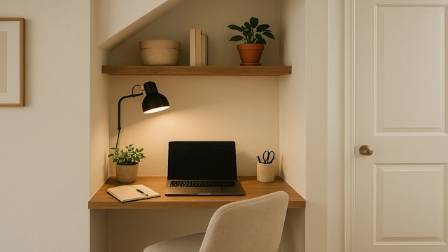
Is your home office desk a cluttered mess that kills your productivity? Desk styling isn’t just about making your workspace look attractive, it’s the key to transforming how you work every day.
Each morning, you sit down at your desk ready to tackle tasks, only to feel instantly overwhelmed by scattered papers, tangled cords, and a lack of inspiration. This chaotic space isn’t just unappealing to the eye—it actively undermines your focus and creativity.
In this guide, I’ll show you how simple desk styling techniques can revolutionize your home office. You’ll discover practical organization systems, aesthetic touches, and productivity hacks that work together to create a space you’ll actually look forward to working in.
Whether you work from home full-time or just need a dedicated spot for occasional projects, these desk styling tips will help you craft a workspace that balances functionality and beauty without breaking your budget.
What Is Desk Styling?
Desk styling for home offices is the art of arranging your workspace to be both useful and visually pleasing. Think of it as interior design focused specifically on your desk area.
It’s not just about making things look nice, though. Good desk styling creates an environment that helps you work more effectively.
With more people working from home than ever before, your desk is no longer just a place to set your computer—it’s the heart of your work life. The way you style this space impacts your mood, productivity, and even your mental well-being.
I learned this firsthand last year when I struggled to stay focused. My desk was a jumble of papers, coffee mugs, and random office supplies. After spending a weekend on intentional desk styling, my entire work experience shifted for the better.
The benefits of proper home office desk styling include:
Improved focus during work hours
Less time wasted searching for items
A more professional background for video calls
Reduced stress and mental clutter
A space that sparks creativity instead of draining it
Your desk is where you spend hours of your life—doesn’t it deserve some careful attention?
Essential Elements of a Well-Styled Desk
Creating an effectively styled desk for your home office doesn’t require buying expensive furniture or following strict rules. It’s about understanding what makes a workspace both attractive and functional.
Let’s break down the must-have elements of successful desk styling:
1. Functional Basics
Every well-styled desk starts with practical essentials items you use daily to keep your work flowing smoothly:
A comfortable, supportive chair
Enough surface space for your devices and writing
Easy access to power outlets or power strips
Basic office supplies within arm’s reach
The secret is to find versions of these basics that match your style while serving their purpose. You no longer have to settle for ugly office supplies just because they’re practical!
2. Smart Storage Solutions
Clutter is the enemy of good desk styling. The right storage solutions can completely transform your workspace:
Drawer dividers for small items like paperclips and pens
Vertical paper organizers to save desk surface space
Hidden storage for items you use less frequently
Cable management systems to tidy up tangled cords
When choosing storage for your home office desk, look for pieces that complement your decor. Today’s organizers come in beautiful materials like bamboo, acrylic, and powder-coated metal.
3. Proper Lighting
Lighting is one of the most overlooked aspects of desk styling, but it makes a huge difference in both functionality and mood.
Your desk needs three types of lighting to be effective:
Task lighting (like a desk lamp) for focused work such as reading or typing
Ambient lighting (like overhead lights or a floor lamp) to reduce harsh shadows
Accent lighting (like small string lights or a table lamp with a decorative shade) to add warmth
Good lighting not only prevents headaches and eye strain—it also sets the right atmosphere for productive work.
4. Personal Touches
This is where desk styling becomes uniquely yours. Personal elements turn a generic workspace into one that inspires and motivates you:
Small plants to bring life and improve air quality
Photos or artwork that lift your mood
A special mug or water bottle you love using
Meaningful objects that encourage your best work
The key is balance—add enough personality to feel inspired, but not so much that it creates visual chaos.
5. Tech Organization
Most home office desks serve as technology hubs. Thoughtful desk styling means organizing your tech in a way that’s both functional and visually appealing:
Monitor stands that create extra storage space underneath
Cable clips or sleeves to prevent tangled cords
Charging stations to keep devices neat and powered
Keyboard and mouse setups that support proper ergonomics
When your technology is well-organized, your entire desk feels more intentional and calm.
The best part about these desk styling elements? You can implement them gradually. Start by organizing what you already have, then add new pieces as your budget allows. Remember, an effectively styled desk isn’t about perfection—it’s about creating a space that fits your specific needs while bringing you a sense of calm and inspiration.
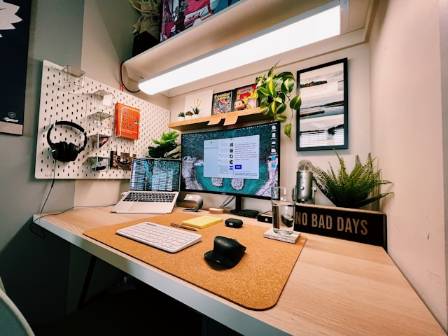
Common Desk Styling Mistakes to Avoid
Even with good intentions, it’s easy to make mistakes when styling your home office desk. Let’s look at the most common pitfalls and how to avoid them.
1. Overcrowding Your Workspace
The biggest mistake in home office desk styling is trying to fit too much on your desk. When every inch is covered, you:
2. Create visual stress
Limit your working space
Make it harder to find what you need
Increase the risk of knocking things over
Solution: Follow the “one in, one out” rule. For every new item you add to your desk, remove something else.
3. Poor Lighting Choices
Many people underestimate how important good lighting is for desk styling. Common mistakes include:
Relying only on harsh overhead lighting
Positioning your desk where sunlight causes glare on your screen
Using lighting that’s too dim for detailed work
Choosing lamps based solely on looks (not functionality)
Solution: Layer different types of lighting (task, ambient, accent) and ensure your primary task light is adjustable.
4. Ignoring Ergonomics
A beautifully styled desk won’t matter if it leaves you with neck or back pain. Many people sacrifice comfort for aesthetics in their desk styling.
Don’t forget to consider:
Proper chair height (feet flat on the floor, knees at a 90-degree angle)
Monitor positioned at eye level (to avoid neck strain)
Keyboard and mouse placement (wrists straight, not bent)
Adequate legroom under the desk
Solution: Start with ergonomic fundamentals, then add style elements that work around them—not against them.
5. Choosing Style Over Function
It’s easy to prioritize looks over usability, but this leads to frustration. Common issues include:
Insufficient storage for daily needs
Accessories that get in the way of work (e.g., a decorative pen holder that’s hard to reach)
Organization systems that look nice but are impractical (e.g., a tiny tray that can’t hold all your papers)
Arrangements that require constant tidying to stay looking good
Solution: Test your workspace by actually working at it. If you find yourself moving things out of the way constantly, rethink your setup.
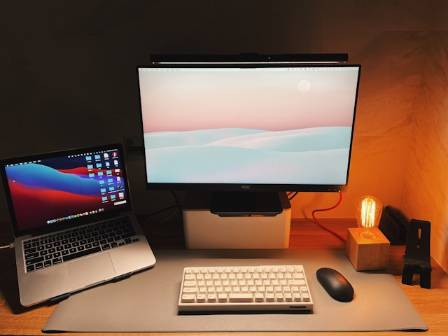
Conclusion
Desk styling for home offices is far more than just making your workspace look nice, it’s about crafting an environment that boosts productivity, reduces stress, and makes you feel inspired to work. By first understanding what desk styling is and its key benefits from better focus to a more professional video call background, you can then build your styled desk around essential elements: functional basics that keep work flowing, smart storage to fight clutter, proper lighting to support comfort and mood, personal touches that add character, and tech organization to keep devices tidy. Equally important is avoiding common mistakes like overcrowding, poor lighting, ignoring ergonomics, and choosing style over function. Remember, you don’t need to overhaul your desk all at once—start small, build gradually, and let your space evolve to fit your needs. In the end, a well-styled desk isn’t just a piece of furniture; it’s an investment in your daily work experience, productivity, and overall happiness.