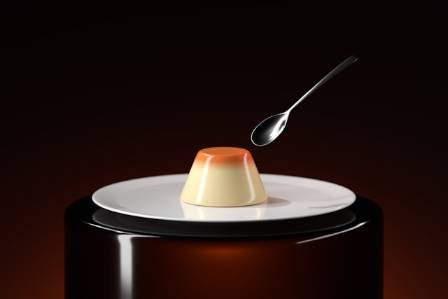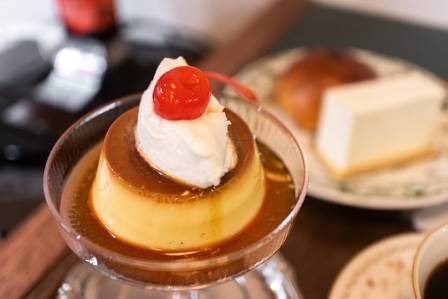
Puddings thickened with starch have long been a cornerstone of Pennsylvania Dutch culinary heritage. For generations, families in this region relied on their own dairy cows, making creamy desserts a natural staple of the household menu. Among these traditional treats, caramel pudding stands out as a timeless favorite. The secret to an authentic flavor lies in two specific regional practices: browning the butter to a deep golden hue and caramelizing the sweetener to mimic the rich profile of brown sugar. This updated version captures the nostalgic essence of a grandmother’s kitchen while adhering to a sugar-free, low-glycemic lifestyle.
Heritage Flavors Meets Modern Nutrition
The hallmark of this dish is the use of browned butter, a technique that provides a nutty depth rarely found in standard pudding recipes. While traditional versions are often laden with sugar, this recipe utilizes healthy alternatives to achieve the same comforting result. By incorporating ingredients like almond milk, mineral salt, and a hint of molasses, you can recreate the complex, toasted notes of classic caramel without the spike in blood sugar. It is a satisfying solution for those who crave the flavors of their heritage but prioritize wellness.
Ingredients for the Perfect Set
To prepare this dessert, which serves four to six people, you will need 2 cups of almond milk and 1/2 cup of heavy cream. The rich base is complemented by 2 tablespoons of butter and 1/3 cup of a brown sugar sweetener substitute. For thickening and structure, the recipe calls for 3 whole eggs (or 6 egg yolks for a richer texture), 1/2 teaspoon of glucomannan, and roughly 1 teaspoon of unflavored gelatin softened in a tablespoon of water. The signature caramel taste is rounded out with 2 teaspoons of caramel flavoring, a pinch of mineral salt, and 1/4 teaspoon of black-strap molasses for color and depth.
Step-by-Step Cooking Instructions
Begin by mixing the almond milk and cream together, setting the mixture aside. In a medium saucepan over moderate heat, melt the butter and continue cooking it until it reaches a golden-brown color. Once the butter is browned, stir in the sweetener and cook for another two minutes to develop the flavor. Reserve a small portion of the milk mixture and add the remaining 1 3/4 cups to the saucepan, bringing it nearly to a boil.
While the saucepan heats, use a hand blender to combine the reserved milk, eggs, and glucomannan until the liquid is perfectly smooth. Temper the egg mixture by slowly blending in a half-cup of the hot milk from the stove, then whisk the combined eggs back into the saucepan. Continue whisking over the heat until the pudding begins to thicken slightly. Once thickened, remove the pan from the heat and stir in the caramel flavoring, salt, and molasses. Finally, incorporate the gelatin that has been softening in water. For an exceptionally silky and creamy consistency, use a hand blender to process the pudding one last time after the gelatin is added.
Serving and Consistency
Allow the pudding to cool thoroughly before serving. If you prefer a dessert with a firmer, more molded structure, use the full teaspoon of gelatin; for a softer, spoonable cream, stick to the smaller measurement. This dish proves that traditional family favorites can be successfully adapted into a healthy, low-carb format without losing the soul of the original recipe.