The sky is far more diverse than just passenger planes ferrying people between cities. From tiny two-seaters to powerful jets, aviation is packed with machines built for very different missions. Whether you dream of flying for fun, imagine yourself in a rescue chopper, or just like spotting aircraft overhead, here’s a lively look at seven main types you’ll often hear about.
Light Sport Aircraft
These nimble flyers are perfect for beginners or weekend pilots. Usually designed with two seats, they’re simple to operate and much cheaper to maintain than larger planes. They shine on short leisure flights, offering the chance to hop between small airstrips or enjoy countryside views without the stress of major airports.
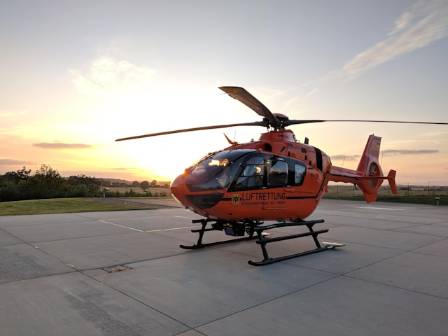
Helicopters
Unlike fixed-wing planes, helicopters lift straight up, land vertically, and hover in place. That versatility makes them lifesavers during emergency rescues and natural disasters, as well as favorites for medical transport and news coverage. They’re also useful in cities where runways are impossible, and sometimes even serve luxury hotels for stylish arrivals.
Single-Engine Planes
Think of these as the compact cars of aviation. They’re straightforward, efficient, and widely available, making them the backbone of flight training programs. From first solo flights to relaxed cross-country journeys, single-engine planes are trusted by thousands of student pilots and private flyers every day.
Gyrocopters
Sitting somewhere between helicopters and airplanes, gyrocopters use a spinning rotor combined with a small engine to stay aloft. They’re compact, quirky, and designed for adventure. Ideal for thrill-seekers, these aircraft provide a unique flying experience that feels part helicopter, part plane, and entirely exciting.
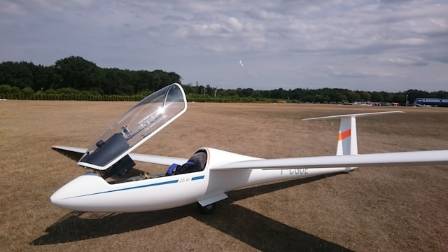
Gliders
Gliders prove you don’t always need an engine to soar. Using nothing more than natural air currents, they offer a peaceful and graceful way to experience flight. Pilots rely on skill and strategy to stay airborne, making gliding a sport as much as a mode of aviation. It’s all about enjoying the serenity of silent skies.
Twin-Engine Aircraft
Adding a second engine offers more than extra power—it provides peace of mind. Twin-engine planes are chosen for longer trips and for routes that cross rough terrain or stretches of ocean. They often serve as business shuttles and regional carriers, combining reliability with performance for both pilots and passengers.
Jets
When it comes to speed and long-distance travel, jets dominate. Private versions symbolize status and efficiency, while commercial airliners carry millions across continents each year. Built to fly high and fast, jets represent the cutting edge of modern aviation, whether for exclusive travel or large-scale transport.
Conclusion
From sporty two-seaters to powerful jets and engine-free gliders, the variety of aircraft reflects the many ways humans take to the sky. Each type serves a different purpose—training, rescue, business, adventure, or simple enjoyment. Next time you look up and see something flying overhead, you’ll have a better idea of what it might be and why it’s there.