Introduction: The Icelandic Horse – A Living Tapestry of Iceland’s Soul
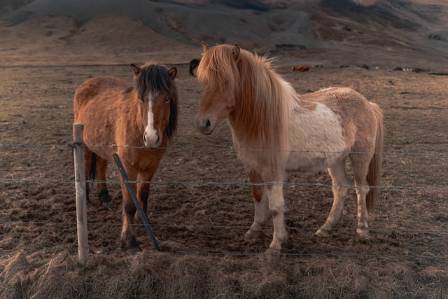
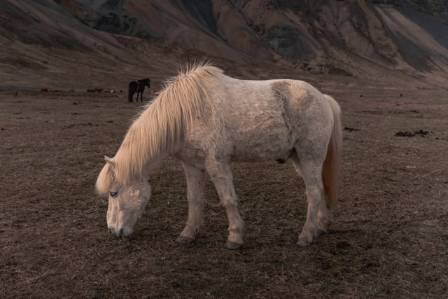
Tiny beads of perspiration glisten on the horse’s coat like dew caught in a morning sunbeam, while its thick, flowing mane ripples gently in the crisp Icelandic breeze. Those startlingly blue eyes, warm yet wild, reflect the stark, untamed beauty of the land around them—snow-capped mountains piercing the sky, jagged volcanic plains dotted with vibrant purple lupine, and fjords that stretch into the horizon like dark, glassy ribbons. Against this breathtaking backdrop, an Icelandic horse grazing peacefully is more than just a sight; it is a living portrait of rugged grace and quiet resilience, a visual narration of Iceland’s fierce spirit, ancient folklore, and unbreakable bond with nature. For over a millennium, this breed has remained virtually unchanged, woven into the very fabric of Iceland’s multicultural identity—from the Viking settlers who first brought them to the modern-day Icelanders who cherish them as national treasures. To encounter an Icelandic horse is to touch a piece of history, to feel the pulse of a nation that has always relied on these magnificent creatures for survival, inspiration, and joy.
Historical Roots: Vikings, Sagas, and the Fight for Survival
The story of the Icelandic horse begins in the 9th century, when Viking settlers from Scandinavia braved the treacherous waters of the North Atlantic, their ships laden with livestock that would be their lifelines in a harsh new land. Among these trusted companions were small, sturdy horses—descendants of the ancient horses of Northern Europe—bred for strength, sure-footedness, and an unparalleled ability to endure extreme cold. These horses were not mere animals; they were essential partners in building a civilization from the wilderness. They carried their masters across ferocious rivers and craggy terrain, pulled plows for farming, transported goods between remote settlements, and even served as mounts in conflicts, their muscular stature and unwavering stamina making them indispensable in a land where survival depended on adaptability. Beyond their practical roles, Icelandic horses became woven into the mythic and literary heritage of the island. The age-old Icelandic sagas—epic tales of heroes, gods, and monsters—hail these horses as more than workmates; they are wondrous beasts of superstition and divine connection. Sleipnir, the eight-legged steed of Odin, the Allfather of Norse mythology, is perhaps the most famous example, a symbol of speed, power, and transcendence that still resonates in Icelandic culture today. For centuries, these horses were so central to life that their names, their lineage, and their deeds were recorded alongside those of humans, a testament to their place in the hearts and history of the Icelandic people.
Distinctive Traits: Size, Color, and the Legendary Tölt
At first glance, the Icelandic horse stands out for its compact size—smaller than most other riding breeds, with a sturdy build, short legs, and a thick, double coat that shields it from Iceland’s brutal winters. But this diminutive stature is a mark of its hardiness, a result of millennia of natural selection that prioritized survival over size. Far from being a limitation, their compact frame gives them exceptional agility and balance, allowing them to navigate rocky slopes, deep snow, and marshy ground with ease. Adding to their charm is their dazzling array of colors: from classic bay, black, and grey to striking skewbalds (white patches on a colored coat), piebalds, and duns (with subtle striping along the back and legs), each horse is a unique work of art. Yet it is their gait that truly sets them apart—their legendary “fifth gait,” known as the tölt. Unlike most horses, which have four natural gaits (walk, trot, canter, gallop), the Icelandic horse possesses this smooth, rhythmic movement that is both efficient and incredibly comfortable. The tölt is a four-beat gait where at least one hoof is always on the ground, eliminating the jarring bounce of a trot and allowing riders to cover long distances without fatigue. Combined with their amicable, curious personalities—they are known for being gentle, intelligent, and eager to connect with humans—this unique gait makes riding an Icelandic horse an unforgettable experience, one that feels more like gliding than riding, even across the roughest terrain.
Immersive Experiences: Riding and Celebrating the Icelandic Horse
The true magic of the Icelandic horse lies not just in observing them, but in experiencing them firsthand—and Iceland offers countless ways to forge that connection. For experienced riders, there are exhilarating multi-day treks through some of the island’s most dramatic landscapes: galloping across emerald valleys dotted with waterfalls, traversing black sand beaches with the North Atlantic crashing nearby, or ascending gentle slopes to take in panoramic views of snow-capped peaks. Novices need not miss out, either; guided tours cater to all skill levels, offering short rides through scenic meadows or along quiet trails, with instructors who share stories about the horses and the land. But to truly immerse oneself in Icelandic equine culture, attending one of the annual horse round-up events—known as “réttir”—is a must. Events like Laufskálarétt in the north or Skrapatungurétt in the west are vibrant social gatherings that have been held for centuries, bringing together local farmers, riders, and families to round up horses that have roamed freely in the highlands over the summer. These festivals are a celebration of tradition: riders dress in traditional clothing, demonstrate their horsemanship skills, and share food, music, and stories. For visitors, it is a rare chance to witness the deep bond between Icelanders and their horses, to see these animals in their natural element, and to feel part of a living heritage that has endured for a millennium. Alternatively, places like Fakasel Horse Park offer a more curated experience, with demonstrations of the tölt, exhibits on the breed’s history, and opportunities to interact with and ride the horses in a controlled, scenic setting.
A Timeless Bond: The Horse in Modern Iceland
While modern technology—cars, tractors, and trucks—has replaced many of the practical roles the Icelandic horse once played in agriculture and transportation, its place in Icelandic life remains as central as ever. Today, the breed is a symbol of national pride, a living link to the country’s Viking past, and a major draw for tourists from around the world. What makes this bond even more remarkable is the strict isolation policy that has protected the breed for over a thousand years: once an Icelandic horse is exported, it can never return to the island. This rule, enforced to prevent the introduction of diseases and preserve the breed’s purity, has ensured that the Icelandic horse remains one of the most genetically distinct and healthy horse breeds on Earth. For Icelanders, owning an Icelandic horse is often a lifelong passion, passed down through generations. Many families keep small herds, not for work, but for pleasure—riding them on weekends, participating in shows and competitions, or simply enjoying their company. The horses also play a role in modern culture: they appear in films, literature, and art, and are often featured in national celebrations and events. In a country that prides itself on preserving its traditions while embracing progress, the Icelandic horse is a perfect metaphor—rooted in the past, yet thriving in the present, a reminder of the strength and resilience that defines Iceland and its people.
Conclusion: More Than a Horse – A Cultural Legacy
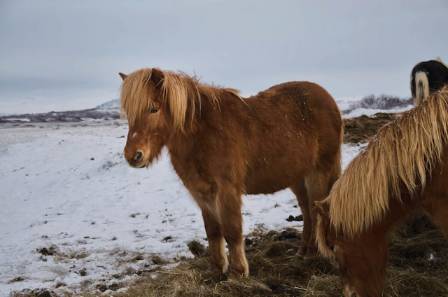
The Icelandic horse is far more than a four-legged creature; it is the soul of Iceland made flesh. It embodies the raw power of nature, the courage of the Viking settlers who brought it here, the wisdom of a culture that has cherished it for centuries, and the unbreakable bond between humans and animals. Its curious eyes, endearing personality, surreal tölt gait, and enigmatic history leave an indelible mark on anyone who encounters it—whether through a leisurely ride, a glimpse in the wild, or a celebration at a traditional rétt. In a world that often rushes forward, forgetting its roots, the Icelandic horse stands as a testament to the beauty of preservation, the importance of tradition, and the magic of living in harmony with nature. For travelers to Iceland, a meeting with these magnificent animals is not just a tourist activity; it is a cultural immersion, a chance to touch a piece of history that is still alive and breathing. For Icelanders, it is a source of pride, a companion, and a reminder of who they are. In the end, the Icelandic horse is more than a breed—it is a legacy, one that will continue to gallop through the landscapes and hearts of Iceland for centuries to come.