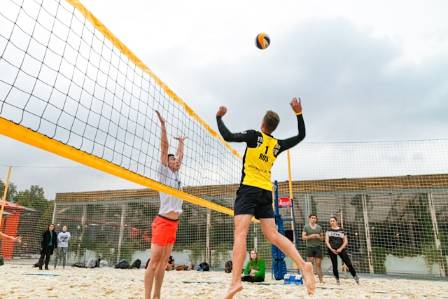
Volleyball success requires more than just physical skills - it demands smart tactics and strategic thinking. These proven strategies will help players and teams elevate their game to the next level.
Offensive Play Strategies
Effective offense begins with strong serve reception. Teams should focus on creating consistent passing to allow setters to run their offense. The 5-1 formation provides offensive versatility with a single setter running multiple attack options. Quick sets to middle hitters keep blockers guessing, while combination plays with crossing hitters can disrupt even organized defenses. Always identify and target the opponent's weakest defender.
Defensive System Fundamentals
A strong defensive foundation starts with proper positioning. The perimeter defense system works well against power hitters, while rotational defense covers more court area. Players should read the hitter's shoulder angle and arm swing to anticipate attack direction. Liberos must master reading serves and controlling the backcourt. Blockers should focus on sealing the net and taking away the hitter's preferred angles.
Serve and Serve Receive Tactics
Aggressive serving puts immediate pressure on opponents. Jump float serves are effective for disrupting passers with unpredictable movement. Topspin jump serves generate more power but require greater consistency. On reception, passers should call the ball early and focus on sending high, accurate passes to the target area. Teams should develop multiple serve receive formations to handle different serving styles.
Blocking Techniques That Work
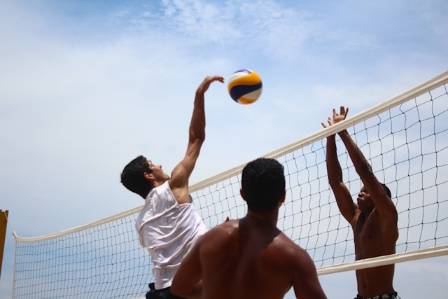
Blocking is the first line of defense. Middle blockers must read the setter's hands to anticipate quick attacks. Outside blockers should focus on taking away the hitter's crosscourt angle while their defensive partner covers the line. Effective blocking requires precise timing - jump slightly later against slower sets. Always press hands over the net to maximize defensive coverage.
Transition Play Essentials
Quick transitions between offense and defense separate good teams from great ones. Players should immediately move to their base positions after each play. Setters must be ready to run the offense from any defensive position. Developing multiple attack options during transition keeps opponents off balance. Teams that master transition play can turn defensive saves into scoring opportunities.
Mental Game and Communication
Volleyball IQ is just as important as physical skills. Players should constantly communicate about positioning, coverage, and open spots on the court. Developing pre-serve routines helps maintain focus during pressure situations. Teams should establish clear signals for plays and coverage. Staying positive after mistakes prevents small errors from becoming big problems.
These strategies form the foundation for competitive volleyball success. While physical abilities are important, teams that master these tactical elements consistently outperform more athletic opponents. Regular practice of these concepts will lead to noticeable improvement in both individual and team performance. Remember that volleyball is a game of adjustments - the best teams adapt their strategies based on the opponent's weaknesses and the flow of the match.
For players looking to take their game to the next level, focus on mastering one strategic element at a time before combining them into complete gameplay. Film study of high-level matches can provide valuable insights into how top teams implement these strategies effectively. With dedicated practice and smart tactics, any team can develop into a formidable volleyball opponent.