Spotting squirrels can be fun, but did you know there are many different kinds? North America is home to over 65 species, each with its own habits, looks, and habitats. The most frequently seen squirrels fall into three main groups: tree squirrels, ground squirrels, and flying squirrels. Let’s explore the differences and learn a bit about their quirky behaviors.
Which Squirrels Visit Bird Feeders?
During daylight hours, the squirrels you’ll most often encounter raiding feeders are tree squirrels. Species like gray squirrels, fox squirrels, and red squirrels dominate these visits. While they may make for entertaining photos, you might want to keep them away from your birdseed to let your feathered friends eat in peace.
Here are some strategies to reduce squirrel snack attacks:
Install barriers: Squirrel baffles or squirrel-proof feeders can be effective, especially when used together. For example, Brome’s Squirrel Buster Plus is highly recommended.
Change the seeds: Squirrels tend to avoid safflower seeds, while birds like cardinals and woodpeckers enjoy them.
Provide a squirrel feeder: If you can’t outsmart them, feed them separately. A dedicated squirrel feeder keeps them busy and away from your birds.
1. Gray Squirrels
Species: Eastern, Western, and Arizona gray squirrels
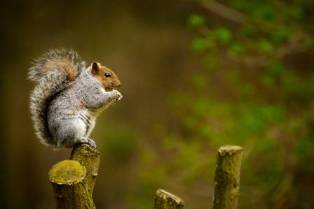
Appearance: Gray backs with lighter undersides. Eastern gray squirrels may have subtle brown highlights on their face, feet, and tail, while the others are mostly gray.
Habitat: Agile climbers, they can be found both on the forest floor and high in the treetops, especially in mixed or deciduous forests.
2. Fox Squirrels
Species: Eastern and Mexican fox squirrels
Appearance: Larger than most tree squirrels, often weighing close to 2 pounds. Their coats range by region but typically have orange or foxy coloring on their sides and tails.
Habitat: Less acrobatic than gray squirrels, they spend more time on the ground.
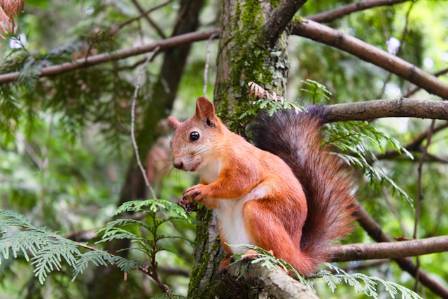
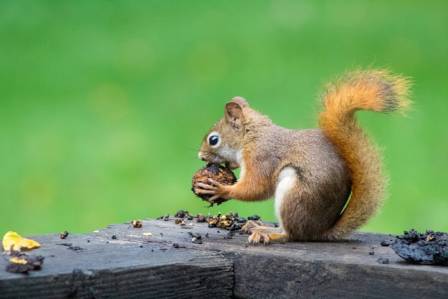
3. Red Squirrels
Species: Red and Douglas squirrels
Appearance: Small but energetic and colorful. Red squirrels have vibrant reddish patches, while Douglas squirrels may have darker gray-brown backs in winter. They often show white undersides and eye rings.
Habitat: Prefer coniferous forests where they feed mainly on seeds from cones.
4. Flying Squirrels
Species: Southern and Northern flying squirrels
Appearance: Big eyes for night vision and flaps of skin that allow them to glide between trees. Often considered among the cutest squirrels, they inspire many gifts and collectibles.
Habitat: Nocturnal and secretive, they hide in tree cavities during the day and come out to forage at night.
5. Ground Squirrels
Species: California, Wyoming, and Belding’s ground squirrels
Appearance: Stockier than tree squirrels, sometimes with shorter tails. Their bodies look more robust, built for digging and living in burrows.
Habitat: Typically live in underground colonies and are active during the day. When threatened, they dash to their burrows—or occasionally a nearby tree—to escape predators.
By observing their size, coloration, and behavior, you can start identifying the squirrels in your backyard or local forest. From playful tree acrobats to secretive night gliders and burrowing ground squirrels, these little creatures add charm and life to any environment.