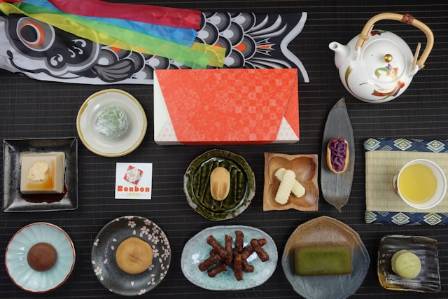
Preparing mochi in just five minutes is an incredible reality. Daifuku mochi is undoubtedly our top-tier Japanese snack. This dessert consists of sugary, elastic rice dough enveloping a heart of red bean jam, resulting in pillow-soft treats that you will want to recreate constantly.
Why This Dessert is Exceptional
The combination of a sugary bean core and the elastic consistency of daifuku mochi is truly captivating. During our travels in Japan, we found it difficult to resist eating these daily. The fact that this recipe requires only five basic ingredients and five minutes of your time is a significant advantage. These dumplings serve as a marvelous dessert for hosting guests, especially when you need a high-impact dish on short notice using common pantry items.
Understanding Mochi
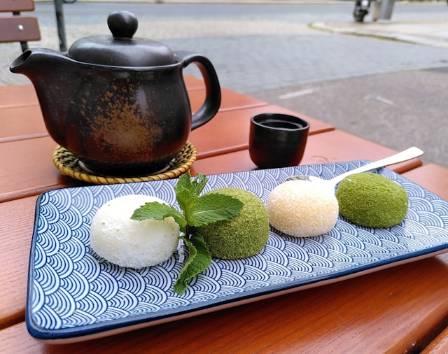
Mochi is a multi-purpose delicacy found in numerous styles throughout Japan. Those with a preference for sweets will particularly enjoy this version stuffed with red bean jam, officially termed daifuku mochi. Variations include coatings of green tea (matcha) powder, toasted soybean (kinako) flour, or dough infused with mugwort (yomogi) herbs. While standard mochi is delightful on its own, a truly decadent preparation involves pan-frying slices in butter until golden. A light dusting of salt creates a flavor profile reminiscent of buttered popcorn, featuring a crisp crust and a chewy heart.
A Glimpse into Traditional Craftsmanship
While exploring Kagoshima, Japan, we witnessed the labor-intensive heritage of Mochitsuki. In this traditional process, steaming hot rice is placed into a large wooden mortar (usu) and vigorously beaten with heavy wooden mallets (kine) by a coordinated team. The rhythmic pounding, accompanied by spirited shouts, gradually transforms individual rice grains into a unified, elastic mass. While the basic components—cooked glutinous rice and water—are simple, the manual effort required is immense. We are thrilled to offer a modern five-minute home version, though the traditional spectacle remains a must-see experience.
Essential Components
Recreating this Japanese classic at home has never been more accessible. You will need five primary items, several of which are likely already in your cupboard: granulated sugar, water, and starch (corn, potato, or tapioca) for handling. The specific success of the dish relies on the following two:
Sticky Rice Flour: Ideally, use Japanese varieties like Shiratamako or Mochiko. If unavailable, standard glutinous rice flour is an excellent alternative. Be careful to select the package intended for sticky dough (often marked with green text) rather than regular rice flour.
Sweetened Bean Jam: Often called anko, this can be a coarse mash or a smooth paste made from azuki beans. You can purchase this at specialty markets or prepare it yourself. For a non-traditional twist, feel free to experiment with various alternative fillings.
Step-by-Step Preparation Guide
-
In a microwave-safe container, whisk together one generous cup of sticky rice flour, 4 tablespoons of sugar, and half a cup of water until the texture is uniform.
-
Cover the bowl loosely with plastic wrap and heat in the microwave for sixty seconds. Stir the mixture, re-cover it, and heat for one additional minute.
-
Using a moistened spatula, pull the dough from the sides of the bowl and fold it over itself until it forms a cohesive mass. The dough should be translucent and very elastic.
-
Dust a dry countertop with starch and transfer the dough onto it. Coat the surface of the mochi with starch to eliminate stickiness, flatten it into a thick disc, and let it rest for a few minutes to cool.
-
Form eight individual balls of red bean jam, using about one tablespoon of paste for each.
-
Divide the cooled dough into eight equal segments using a floured blade or scraper.
-
With starch-coated fingers, flatten a piece of dough into a circular shape roughly 10cm (2 inches) in diameter.
-
Center a bean ball on the dough, pull the edges upward to enclose the filling, and pinch the seams firmly. Turn the mochi over so the seam is hidden. These are best served fresh on the day they are made.
Professional Preparation Secrets
Monitor the aesthetic transition of the dough; it should shift from a solid white to an off-white translucent shade as it cooks. If the dough becomes difficult to handle due to stickiness, apply more starch to your hands and the work surface. The dough is remarkably resilient, so you can stretch it confidently around the filling without fear of tearing. These treats are wonderful when served following Japanese staples like savory pancakes or fried noodles.
Comprehensive Recipe Details
This recipe makes 8 individual mochi dumplings.
Ingredients: 115g sticky rice flour, 60g granulated sugar, 125ml water, 8 tablespoons of bean jam, and 1 tablespoon of starch for dusting.
Instructional Summary: Mix the flour, sugar, and water. Microwave twice for one minute each, stirring in between. Fold the hot dough until elastic. Roll the dough in starch, divide it, and wrap around pre-formed bean balls.
Storage and Alternative Fillings
For the best experience, consume these within 24 hours and store them at room temperature in a sealed bag. If refrigeration is necessary, they can be kept overnight or frozen for up to one month. To serve from frozen, allow them to thaw at room temperature for an hour.
Creative Filling Ideas:
Various ice cream flavors (matcha, vanilla, or black sesame).
Sweetened mung bean paste.
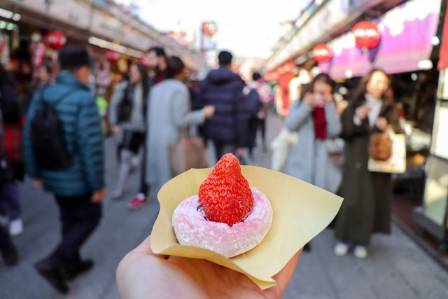
Whole strawberries encased in bean jam.
Chocolate ganache or cookie butter.
Whipped cream or peanut butter with fruit.