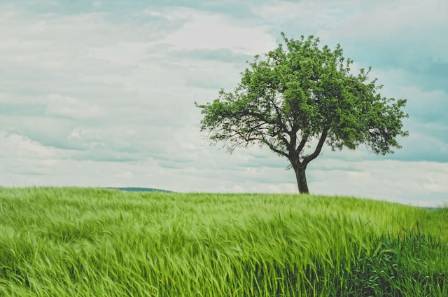
Trees are often referred to as the lungs of our planet—and rightly so. Besides producing oxygen, their key importance lies in their powerful role in fighting climate change and supporting ecosystems. Trees contribute significantly to the environment by enhancing air quality, lowering pollution levels, and providing vital habitats for wildlife. Their extensive benefits make them essential for sustaining ecological balance and life on Earth.
Understanding What a Tree Is
In botanical terms, a tree is a long-lived plant characterized by a woody trunk, branches, and foliage. Although the classic definition focuses on woody plants with secondary growth, in some cases, plants like palms, tree ferns, bananas, and bamboo are also considered trees. Trees first appeared around 370 million years ago and encompass a wide variety of species such as angiosperms and gymnosperms. Today, approximately three trillion mature trees exist worldwide.
The Environmental Roles of Trees
1.Mitigating Global Warming
Trees play a crucial part in reducing climate change by absorbing greenhouse gases like carbon dioxide (CO₂) through photosynthesis. This natural process lowers CO₂ concentration in the atmosphere, thereby slowing global warming. Trees account for roughly 20% of the world’s greenhouse gas absorption, making them indispensable in climate regulation.
2.Oxygen Production
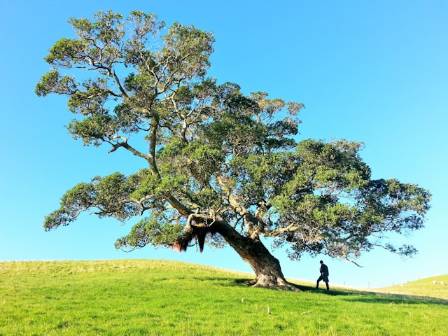
Through photosynthesis, trees convert CO₂ and sunlight into oxygen and sugars. They contribute about 21% of the oxygen in the atmosphere, second only to oceanic phytoplankton. Deforestation threatens this balance, making the protection and care of trees vital to maintain oxygen supply and overall environmental health.
3.Preventing Soil Erosion
Tree roots bind the soil firmly, reducing the chances of soil being washed or blown away by water and wind. Dense root systems stabilize land, while leaf litter helps retain moisture, supporting agriculture and ecosystems.
4.Improving Air Quality
Trees serve as natural air filters, absorbing harmful pollutants such as sulfur dioxide, nitrogen oxides, and particulate matter. This function is especially valuable in urban areas, where air pollution poses health risks. Trees also provide shade and release oxygen, enhancing city environments.
5.Enhancing Soil Fertility
Fallen leaves and organic matter from trees enrich soil, improving its structure and nutrient content. Roots increase water penetration and provide a hospitable environment for beneficial organisms, thus maintaining soil health.
6.Providing Food and Shelter for Wildlife
Trees produce fruits, nuts, and seeds that feed birds, mammals, and insects. They also offer shelter and nesting sites, supporting biodiversity and ecosystem stability.
7.Protecting Crops
Acting as natural barriers, trees reduce wind damage and create shade that prevents crops from drying out. They contribute to creating a humid microclimate favorable for healthy plant growth, boosting agricultural productivity.
8.Regulating the Water Cycle
Trees absorb and release water through their roots and leaves, influencing rainfall patterns and maintaining atmospheric moisture. They also reduce flooding by soaking up excess water during heavy rains.
9.Signaling Seasonal Changes
Trees reflect natural cycles by shedding leaves in autumn and budding in spring. These changes enrich landscapes and connect humans with the rhythms of nature.
10.Supporting Human Health

Access to green spaces with trees reduces stress, lowers blood pressure, and promotes mental well-being. Cleaner air and natural environments contribute to healthier communities.
Conclusion
Trees are indispensable to Earth's well-being and to the survival of all living creatures. They absorb carbon dioxide, produce oxygen, cleanse the air, prevent soil degradation, and regulate water. They support wildlife, protect crops, and enhance human health. Protecting existing trees and planting new ones is vital to preserving these countless benefits for future generations.