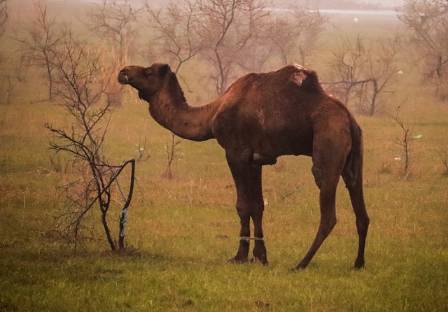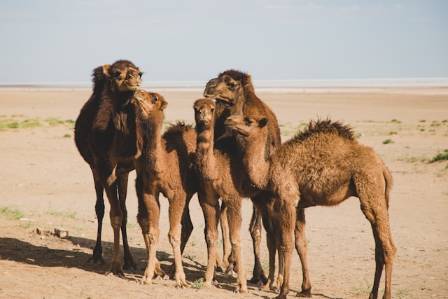
Camels are extraordinary animals with a host of biological adaptations that allow them to thrive in some of the planet's most inhospitable environments. While they are often associated with desert travel, their true nature involves complex social structures and impressive physical capabilities. Understanding these creatures requires looking past common misconceptions to appreciate their unique evolutionary journey.
Specialized Adaptations for Desert Survival
One of the most impressive features of a camel is its ocular protection. They possess three separate eyelids and two layers of long eyelashes, which serve as a highly effective barrier against blowing sand. Furthermore, camels have the ability to seal their nostrils completely during sandstorms, ensuring their respiratory systems remain clear while still allowing them to breathe.
Their famous humps are often misunderstood. Rather than serving as water tanks, these humps are actually reservoirs of fatty tissue. This stored fat provides a critical energy source that the camel can metabolize when food is unavailable. Because their bodies are so efficient, camels can endure up to 15 days without a single drink of water. However, when they finally reach a water source, they are capable of rehydrating rapidly, consuming as much as 40 gallons in a single session.
Even their physical movement is specialized for their environment. Camels move using a "pacing" gait, where both legs on one side of the body advance simultaneously. This unique stride helps them maintain stability and move fluidly across shifting sand dunes. Additionally, their incredibly thick, leathery lips allow them to forage on thorny desert vegetation and cacti that other herbivores cannot touch.
Social Behavior and Physical Prowess
Beyond their physical endurance, camels are deeply social creatures. They live in organized groups known as caravans, which are typically overseen by a dominant male. Within these groups, individuals form strong emotional bonds and exhibit complex communal behaviors.
While they may appear leisurely, camels are far from slow. They possess incredible stamina, capable of traversing 100 miles of terrain in a 24-hour period. In short sprints, they can reach speeds of 40 miles per hour, and they can maintain a brisk 25 miles per hour for extended distances. Surprisingly, these desert dwellers are also capable swimmers, occasionally seen navigating coastal waters with unexpected agility. Their milk also serves as a vital resource in desert cultures, as it is exceptionally high in proteins, vitamins, and essential minerals.

Correcting Common Misconceptions
Many myths surround these "ships of the desert," often painting them as aggressive or stubborn. For example, while camels are known to spit, this is not an act of random anger but a calculated defensive maneuver used to deter perceived threats or establish social standing within the caravan.
They are also frequently labeled as stubborn, but this behavior is usually a sign of their high intelligence and strong instinct for self-preservation. A camel may refuse a command if it detects a hidden danger, such as unstable ground. With patient handling and proper communication, they are remarkably cooperative and dependable.
Finally, while their ability to conserve liquid is legendary, the idea that they can survive for months without water is an exaggeration. They are masters of hydration management, but they still require regular access to water to maintain their health. They are gentle, patient, and intellectually sharp animals that have played an essential role in human history and desert ecology.
Immersive Encounters in Baja California
Experiencing these majestic animals in person offers a unique perspective on their size and temperament. In regions like Cabo, visitors can explore diverse landscapes ranging from rugged desert trails to pristine Pacific coastlines atop these gentle giants. Many excursions pair these educational camel rides with other activities, such as off-road ATV treks or traditional cultural tastings, providing a comprehensive look at the natural beauty and heritage of the Baja peninsula. Whether walking through the dunes or along the shore, interacting with camels remains one of the most memorable ways to connect with the natural world.