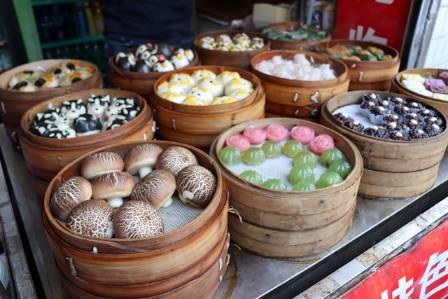
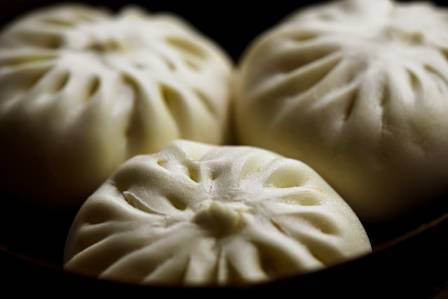
Soft, pillowy, and bursting with flavor, baozi—often called steamed buns or simply bao—have been a beloved part of Chinese cuisine for centuries. These fluffy treats come in countless varieties, both sweet and savory. But where did baozi actually come from, and how did it become such a cultural icon? Let’s explore the fascinating history and evolution of this treasured dish.
1. Ancient Roots in the Han Dynasty
Baozi dates back to the Eastern Han dynasty (25–220 AD). Initially, it was a basic wheat-based dish, likely boiled or steamed and filled with simple ingredients such as meat or greens. It served as a humble meal for ordinary people.
2. A Tale of Compassion: Zhang Zhongjing
A famous legend attributes the creation of baozi to Zhang Zhongjing, a respected physician from the Eastern Han era. It's said that he invented the steamed bun to help feed starving villagers during a harsh winter. Whether fact or folklore, the tale underscores baozi’s reputation as food for all.
3. Song Dynasty Innovation
During the Northern Song dynasty (960–1127 AD), baozi gained popularity in the capital city of Kaifeng. This period saw a rise in sweeter versions, often made with honey, sugar, or fruit, eaten as light desserts or street snacks.
4. Rise to Imperial Status
In the Ming dynasty (1368–1644 AD), baozi became a regular dish at royal banquets. Cooks experimented with extravagant fillings such as finely minced meat, seafood, and aromatic spices, elevating baozi to a delicacy.
5. Evolving Through the Qing Dynasty
By the Qing dynasty (1644–1912 AD), baozi had spread across the country. The buns became more refined and were filled with sugary or fruity ingredients, often enjoyed as a dessert or festival treat.
6. Regional Styles Add Variety
Each region in China developed its own twist on baozi. For example, Tianjin is known for its crispy, pan-fried Jianbing baozi. In Guangzhou, Cantonese baozi tends to be soft and sweet. In Beijing, locals prefer thicker, doughier buns filled with savory pork or vegetables.
7. More Than a Meal
Beyond taste, baozi holds symbolic meaning. The bun’s round shape represents unity and completeness. Its soft texture is said to signify abundance and comfort, making it a fitting food for holidays and family gatherings.
8. A Dish of Love and Tradition
In many Chinese households, making baozi is a family affair. Kneading the dough, stuffing the filling, and folding each bun is seen as an act of care and bonding, passed down through generations.
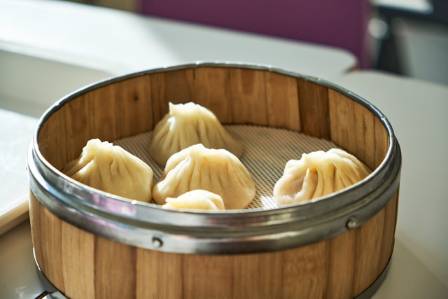
9. Global Popularity on the Rise
Baozi has transcended borders and now appears in eateries worldwide. From trendy street food stalls to upscale Asian fusion restaurants, variations of baozi continue to win fans across cultures.
10. From Simplicity to Sophistication
What began as a simple mixture of flour and water has become a culinary canvas for creativity. While the essence remains, modern baozi now features inventive fillings like cheese, curry, and even chocolate.
Conclusion
Though its exact origins may never be confirmed, baozi’s story is deeply embedded in Chinese heritage. Whether served at a family breakfast or discovered on an international menu, each bite carries the warmth of history, community, and culinary tradition.