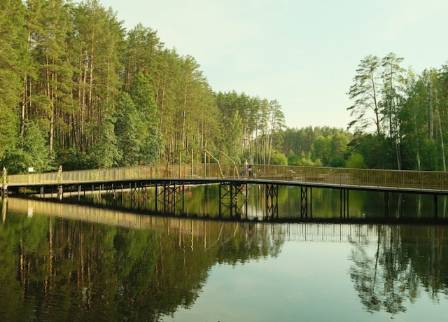
Imagine walking through a dense, untouched forest and discovering a bridge made entirely from living tree roots. These incredible natural structures, known as living root bridges, are not only functional but also strikingly beautiful. They serve as a testament to the ingenuity of local communities that have used nature itself to craft these fascinating walkways. Let's explore some of the most remarkable living root bridges hidden deep within forests around the globe.
1. Meghalaya, India
In Meghalaya, a northeastern state in India, the Khasi and Jaintia tribes have been building living root bridges for centuries. The roots of the Ficus elastica tree are carefully guided across rivers and streams to create robust and sustainable bridges.
Double Decker Living Root Bridge: Located in Nongriat, this bridge is unique for its two levels and is one of the most famous living root bridges in the world.
Ritymmen Root Bridge: Situated in the village of Tyrna, this is one of the oldest and longest living root bridges in the region.
Umshiang Root Bridge: Also known as the "Single Decker," this bridge is another fine example of the Khasi tribe’s innovative craftsmanship.
2. Cherrapunji, India
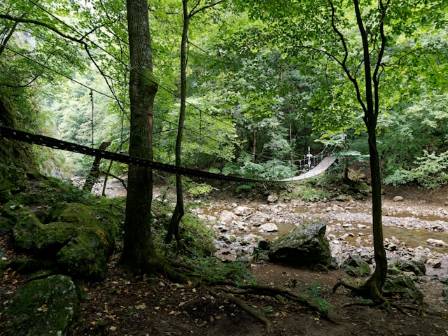
Cherrapunji, one of the wettest places on Earth, is home to several impressive living root bridges. The high rainfall in the region allows the Ficus elastica trees to thrive, making it the perfect environment for these remarkable structures.
Mawsaw Root Bridge: Nestled near the village of Mawsaw, this bridge is renowned for its stunning location amidst lush greenery.
Laitkynsew Root Bridge: Located in Laitkynsew village, this bridge attracts trekkers and nature lovers alike, thanks to its scenic beauty.
3. Nagaland, India
Nagaland, in the northeastern part of India, is home to more living root bridges. The local tribes here have mastered the art of creating these unique structures by manipulating the roots of trees to form natural bridges.
Khonoma Root Bridge: Found in Khonoma village, this bridge highlights the skilled craftsmanship of the indigenous tribes.
Mokokchung Root Bridge: Located in the Mokokchung district, this bridge is set within dense forests, providing a peaceful escape for visitors.
4. Sumatra, Indonesia
In the rainforests of Sumatra, the Batak people have been creating living root bridges for generations. These bridges, made from the roots of Ficus benjamina trees, are essential to local life and culture.
Samosir Island Root Bridge: Located on Samosir Island in Lake Toba, this bridge is a popular attraction for tourists exploring the island.
Tangkahan Root Bridge: Situated in the Tangkahan region, this bridge is surrounded by dense rainforests, making it a favorite spot for eco-tourism.
5. Java, Indonesia
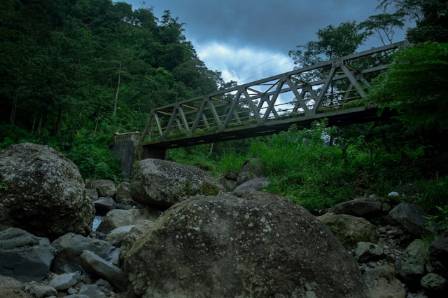
Java, the most populated island in Indonesia, also hosts some stunning living root bridges. The local communities here have perfected the craft of creating these natural structures, with each bridge reflecting the unique landscape of the island.
Banyuwangi Root Bridge: In the Banyuwangi region, this bridge is known for its natural beauty and is a well-loved destination for hikers.
Cimahi Root Bridge: This lesser-known gem in Cimahi offers a tranquil retreat for those seeking peace and natural surroundings.
6. West Papua, Indonesia
In the remote province of West Papua, Indonesia, some of the most untouched living root bridges can be found. The indigenous tribes in this region have been creating these remarkable structures for centuries.
Manokwari Root Bridge: Located in the Manokwari area, this bridge is hidden within dense rainforests and offers a rare glimpse into local traditions.
Sorong Root Bridge: Situated in Sorong, this bridge is an incredible example of the local tribes' ability to work with nature to create functional, sustainable structures.
Conclusion
Living root bridges are a stunning testament to the harmony between nature and human creativity. Found mostly in India's Meghalaya region, these natural structures are not only an architectural marvel but also serve a practical purpose, helping locals cross rivers and streams. From the dense forests of Nagaland to the lush landscapes of West Papua, these bridges offer a unique experience for adventurers and nature lovers alike. Visiting these living bridges not only supports eco-tourism but also helps preserve these extraordinary creations for future generations. If you're seeking a true connection with nature, these bridges should be on your travel list, offering a reminder of the incredible things that can happen when humanity works with the natural world.